




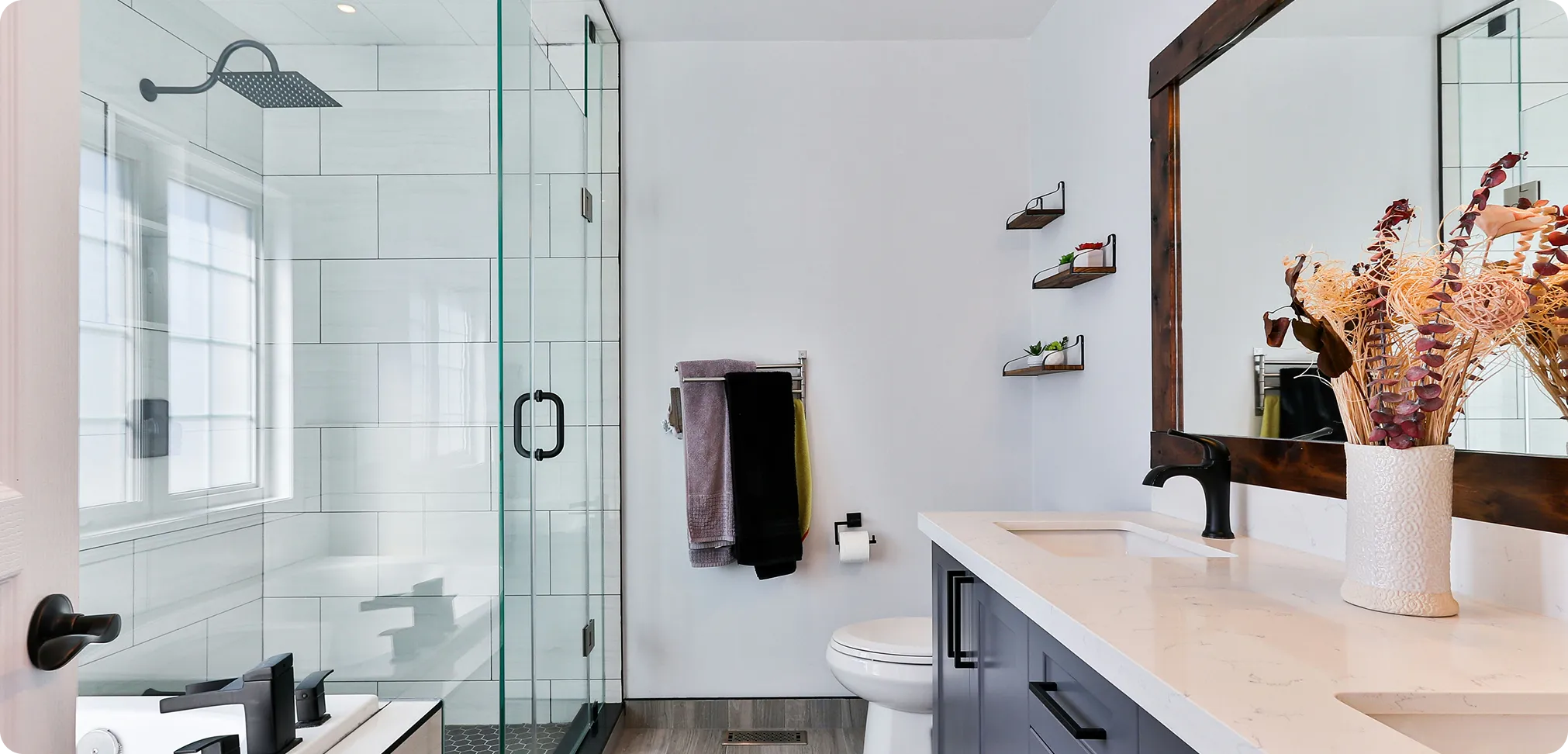
An accessible bathroom remodeling service takes a bathroom that has become hard or unsafe to use and rebuilds it around the person who uses it, from the doorway to the shower valve. The process typically runs through five phases: a needs assessment, design and selections, permitting and ordering, construction, and a final fitting check with the user. Knowing what happens in each phase, and roughly how long it takes, makes it far easier to plan around a hospital discharge, a family member moving in or a gradual change in mobility.
Phase One: The Needs Assessment
Everything begins with understanding the user. A thorough contractor will ask about the mobility aid in use (cane, walker, wheelchair or none yet), which side the person is stronger on, whether a caregiver assists with bathing and whether a condition is expected to progress. If an occupational or physical therapist has made recommendations, those notes are gold. They often specify the transfer direction, grab bar positions and seat height that suit the individual.
The room itself is assessed at the same visit: door width and swing, turning space, toilet centerline distance from walls, vanity height, tub or shower dimensions, floor structure (slab or raised wood), location of the drain and vent, electrical capacity and existing ventilation. The goal is to identify what can stay and what must change.
- Bring a list of daily tasks that are difficult today.
- Have the mobility aid in the room so its dimensions can be measured.
- Mention any upcoming medical dates that affect the schedule.
- Point out any leaks, soft floor areas or past water damage you know about.
Phase Two: Design and Selections
With measurements in hand, the contractor proposes a layout. For many households that means converting a tub to a low-threshold or curbless shower, relocating or replacing the toilet with a comfort-height model, swapping the vanity for one with knee clearance, and adjusting the doorway. The design should show exactly where blocking goes, how the floor slopes to the drain and where controls sit relative to a shower seat.
Selections follow: slip-resistant tile, a pressure-balancing or thermostatic valve to prevent sudden temperature swings, a handheld shower on a slide bar, lever handles, grab bars in a finish that suits the room and lighting that eliminates dark corners. Our article on designing an aging-in-place bathroom explains how these pieces work together over the long term.
Ready to start your project?
Get a free, no-pressure consultation and an honest written quote from a licensed Florida team.
Phase Three: Permits and Ordering
Most projects that move plumbing, add electrical circuits or change framing need a permit under the Florida Building Code. The contractor prepares the application and submits it to the local building department. Review times vary by jurisdiction and workload, so this phase can overlap with ordering.
Lead times matter. Custom shower glass is measured after tile, which means it is usually installed near the end. Special-order vanities, wall-hung toilets and some linear drains may take longer to arrive than stock items. A good plan orders long-lead products early so the bathroom is not sitting half-finished.
If the remodel is tied to a hospital discharge or a move-in date, tell the contractor at the first visit. Ordering and permit timing can then be planned backward from that date.
Phase Four: Construction, Step by Step
Construction follows a predictable order, though the length of each step depends on the scope:
- Protection and demolition: covering floors along the path, removing fixtures, tile and drywall, and checking for water damage behind the old tub.
- Structural and floor work: recessing the slab or modifying joists for a level-entry shower, widening the door opening and adding framing.
- Rough plumbing and electrical: setting the new drain at the correct depth, moving supply lines, adding circuits for lighting and the exhaust fan, followed by rough inspections.
- Blocking and wall board: installing solid backing for grab bars and seats, then cement board or a foam board system in the wet area.
- Waterproofing: building the shower pan with proper slope to drain, applying a continuous waterproof membrane and running a flood test to confirm no leaks.
- Tile and finishes: setting floor and wall tile, grouting and sealing, installing the vanity, toilet and accessories.
- Trim out: mounting grab bars, the seat, the handheld shower, lighting and the fan, then installing glass if used.
For the shower conversion itself, our guide to tub-to-shower conversion goes into more detail on the work behind the tile.
Phase Five: The Fitting Check
Before calling the project complete, the user should try the space with the contractor present. Can they enter the shower with their aid? Is the seat at a comfortable height? Can they reach the handheld shower and controls while seated? Are the grab bars where their hands naturally go when standing up from the toilet? Small adjustments are easiest to make now, and blocking in the walls allows an extra bar to be added if needed.
This is also the moment to confirm that the exhaust fan clears humidity effectively, that no water escapes the shower area during use and that the lighting works for nighttime trips.
Selecting an Accessible Bathroom Remodeling Service
The phases above only run smoothly when the contractor manages them well. Ask prospective companies to describe their process in their own words. They should mention the assessment, written design, permits, waterproofing with a flood test and a final fitting check without being prompted. Verify their license on the Florida DBPR lookup and request proof of insurance. If cost is a concern, our breakdown of bathroom remodel costs in Florida explains what drives the price.
Typical Scope Tiers
Projects tend to fall into three broad tiers, and knowing which one fits helps set expectations for time and budget. A safety upgrade keeps the existing layout and adds grab bars into new or existing blocking, a comfort-height toilet, a handheld shower and slip-resistant flooring. A shower conversion replaces the tub with a low-threshold or curbless shower inside roughly the same footprint, which brings in waterproofing, drain work and new tile. A full reconfiguration moves walls or fixtures, widens the doorway and may borrow space from a closet to create wheelchair turning room.
Each tier adds permits, trades and construction days. The assessment visit is where the contractor helps you decide which tier the user genuinely needs today, and which features to prepare for so a later upgrade does not mean starting over.
Living Through the Project
Most accessible remodels take the bathroom out of service for a stretch of time. Discuss alternatives before demolition, such as using another bathroom in the home, borrowing equipment like a bedside commode, or timing a respite stay. Dust control, daily cleanup and keeping a clear path for anyone using a walker in the rest of the house all deserve attention in the plan.
Assured Supreme Contracting is a licensed and insured Florida contractor that pulls permits, provides an itemized written quote and backs its work with a workmanship warranty. One accountable team manages every phase, and we serve homeowners across Florida. To start an accessible bathroom remodeling service project, book a free in-home consultation and we will begin with the needs assessment.
Frequently Asked Questions
Start dates depend on the contractor's schedule, permit review times and product lead times. Simple safety upgrades like grab bars into existing studs may happen quickly, while a full conversion with a level-entry shower needs design, permitting and ordering first. Share any deadline at the first visit so the plan can be built around it.
A pressure-balancing valve keeps shower water temperature steady when someone flushes a toilet or runs a faucet elsewhere in the house. Sudden temperature swings can cause a person with limited mobility to lose balance or be scalded. Thermostatic valves offer even finer temperature control and are another good option.
Yes, and it is encouraged. Sharing the therapist's written recommendations gives the contractor precise guidance on grab bar placement, transfer side, seat height and reach ranges. Some homeowners invite the therapist to review the design or the finished space. That collaboration reduces the chance of costly adjustments after completion.
After the shower pan and waterproof membrane are installed, the drain is plugged and the shower area is filled with water for a period of time. The contractor then checks for any drop in water level or leaks below. Passing the test confirms the waterproofing works before tile covers it permanently.
They benefit from bright, even lighting with minimal glare, a vapor-rated fixture in the shower and easy-to-reach rocker switches. Motion-activated or low-level night lighting helps with trips at night. Good lighting reduces fall risk, especially for people with low vision, and makes the space more comfortable for caregivers too.
Yes, if blocking was installed during the remodel. Solid backing behind the tile lets you mount additional bars securely later without searching for studs or opening walls. Ask your contractor to photograph blocking locations before wall board goes up and keep those photos for future reference.
Designing with future needs in mind reduces the chance of a second major project. A level-entry shower, wide door, blocking throughout and a vanity with knee space accommodate many changes. If a wheelchair becomes necessary later, a bathroom planned with adequate turning space will need far fewer modifications.
A linear drain lets the floor slope in one direction, which suits large-format tile and level-entry showers and keeps the entry flat. Center drains slope from all sides and use smaller tiles. Both can work well. The choice depends on floor structure, tile selection and the shower's size and shape.
Leave room beside the toilet and inside the shower for a second person to assist, place the handheld shower where the caregiver can reach it, and consider a glass panel instead of a full enclosure so the caregiver has open access. Clear floor space and good lighting benefit both the user and helper.
Coverage varies widely and depends on your policy, any medical documentation and the program involved. Standard homeowners insurance typically does not pay for elective remodeling. Some people explore other programs or benefits. Check with your insurer or benefits provider directly before assuming any coverage applies.
The building inspector checks that permitted work, such as plumbing, electrical and structural changes, meets the Florida Building Code. Separately, a good contractor conducts a walkthrough and fitting check with you and the user to confirm the bathroom functions as designed. Any punch list items are addressed before the project closes.
Keep the drain clear of hair and debris, clean grout regularly with a gentle cleaner, reseal grout if your tile installer recommends it and run the exhaust fan during and after showers. Check caulk joints periodically and refresh them if they crack. These steps keep water moving properly and prevent mold.