




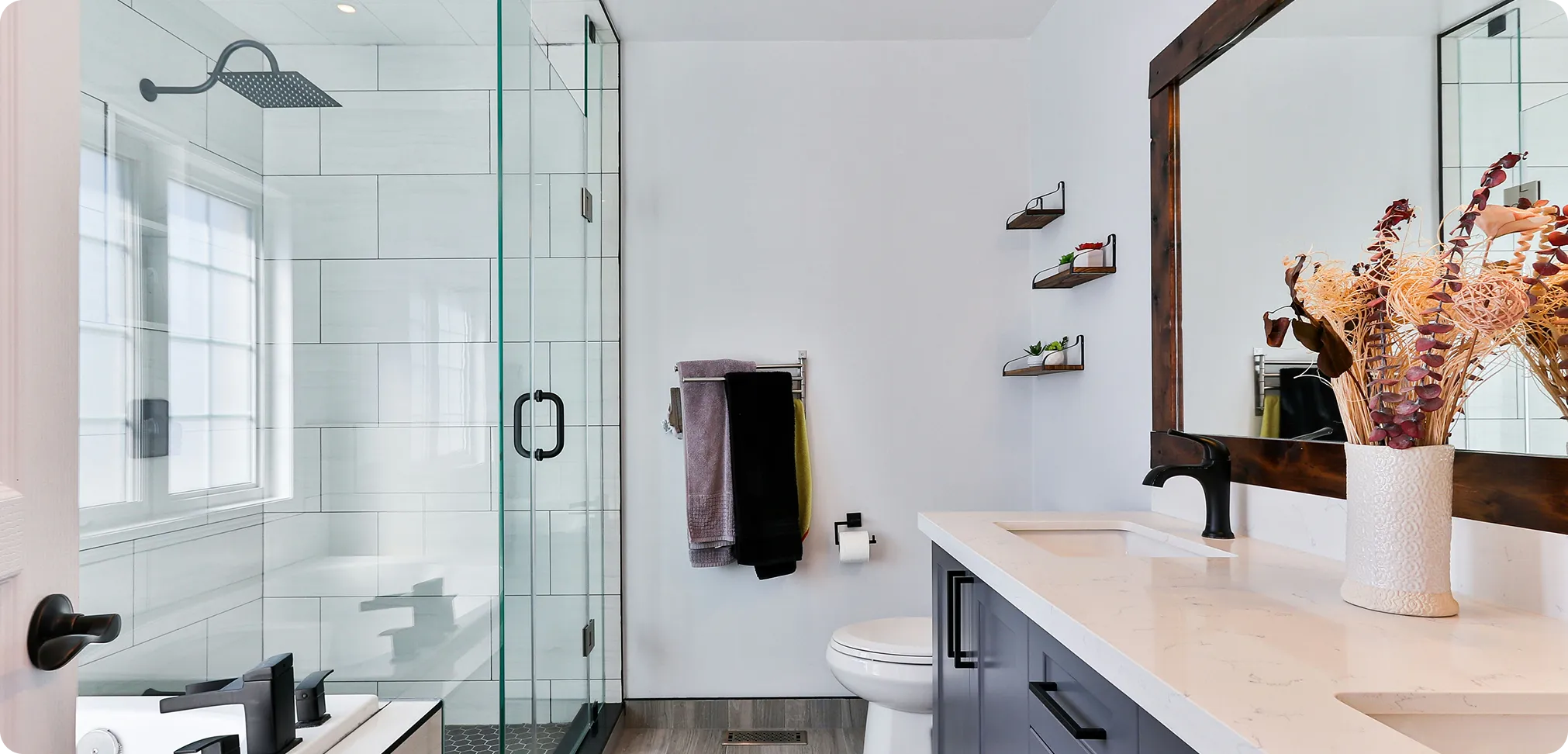
Finding bathroom remodel contractors Tampa homeowners can rely on starts with one realization: a bathroom is the most trade-dense room in the house. In a space that may be smaller than a walk-in closet, you have plumbing, electrical, framing, waterproofing, tile, glass, ventilation and finish carpentry all overlapping. The contractor you hire is really the person who sequences those trades so that each one leaves the next a clean, square, dry starting point.
This article looks at the job from the inside: what the work actually involves, how to interview the companies on your shortlist, and which details separate a bathroom that lasts twenty years from one that starts leaking behind the tile in three.
Every Trade That Touches a Bathroom Remodel
Homeowners often picture a remodel as tile and a new vanity. The visible finishes are the last step of a much longer chain. A full gut renovation in a typical Tampa hall bath usually includes:
- Demolition and haul-off: removing tile, mortar beds, old tubs and drywall, then checking the subfloor and studs for rot or termite damage.
- Rough plumbing: relocating drains and supply lines, installing a new mixing valve, and confirming the vent stack is adequate.
- Electrical: GFCI-protected circuits, vanity lighting, an exhaust fan circuit and sometimes a heated floor.
- Framing: blocking for grab bars and glass, niches, and reframing walls that are out of plumb.
- Waterproofing: a properly sloped shower pan, a continuous membrane on walls and floor, and a flood test before tile.
- Tile, glass and finishes: setting tile, installing the shower enclosure, vanity, top, fixtures, paint and trim.
Each of those steps can be inspected, and several of them are covered by a permit. A contractor who glosses over the middle of that list is telling you something about where the shortcuts will be.
Why a Single Point of Responsibility Matters
When a homeowner hires a plumber, a tile setter and a glass company separately, each one is responsible only for their own slice. If the shower leaks, the tile setter blames the pan, the plumber blames the valve trim, and the glass installer points at the out-of-level curb. A general contractor carries the whole scope under one agreement, so there is no gap between trades for a problem to fall into.
Assured Supreme Contracting works this way: one accountable team, permits pulled by us, and a workmanship warranty that covers the finished room rather than individual pieces of it.
Ready to start your project?
Get a free, no-pressure consultation and an honest written quote from a licensed Florida team.
How to Interview Bathroom Remodel Contractors Tampa Homeowners Are Comparing
A good interview is less about price and more about how the company thinks. These questions tend to reveal a lot in a short conversation:
- Can I see your license number so I can confirm it on the Florida DBPR license lookup?
- Who will pull the permit, and which inspections do you expect on this job?
- What waterproofing system do you use in showers, and do you flood test before setting tile?
- How do you handle rotted subfloor or damaged studs if you find them after demolition?
- Who is on site day to day, and who do I call when I have a question?
- How are change orders priced and approved?
- What does your workmanship warranty cover, and for how long?
Pay attention to whether the answers are specific. A contractor who names the membrane they use, explains the slope they build into the pan, and tells you how a flood test works has clearly done it many times. Vague reassurance is not the same thing.
It is also worth asking how the company protects the rest of the house during demolition. Dust barriers, floor protection along the path to the bathroom and a plan for where debris goes are small things that show respect for a lived-in home.
What a Proper Site Visit Looks Like
The first visit should feel like an inspection, not a sales pitch. Expect the estimator to measure the room, look at the existing drain locations, check for soft spots in the floor around the toilet and tub, open the vanity to see the shutoff valves, and ask about the age of the home's plumbing. In older Tampa houses, original galvanized supply lines or cast iron drains can change the scope considerably, and you want that conversation before signing rather than after demolition.
A thorough visit also covers how you use the room. Is it a primary bath where two people get ready at once, a hall bath for kids, or a guest bath that sees occasional use? Do you want to keep a tub for resale or bathing small children, or would a curbless shower suit you better for the long run? Those answers shape the layout, the fixture budget and the waterproofing approach. Our guide to converting a tub to a walk-in shower goes deeper into that particular decision.
The Details You Will Never See (But Should Ask About)
Most bathroom failures trace back to work that gets covered up. A shower pan needs a consistent slope toward the drain so water never sits in a corner. The membrane, whether a sheet product or a liquid-applied one, has to be continuous, with proper overlaps at seams and sealed penetrations where the valve and shower head come through. Before any tile goes down, the pan should be plugged and filled with water for a period of time to prove it holds.
Niches and benches are especially vulnerable. Their horizontal surfaces must slope back toward the shower so water drains instead of pooling against grout. A careful contractor will tell you how they build those details without being asked twice.
Ventilation in a Humid Climate
Tampa's humidity makes ventilation more than a comfort feature. An undersized or poorly ducted exhaust fan lets moisture linger on walls and ceilings, which feeds mildew on grout and paint. The fan should be sized for the room, vented to the exterior rather than into the attic, and ideally wired to a timer or humidity sensor so it keeps running after a shower. Moisture-resistant drywall or cement board outside the wet zone and a quality semi-gloss or bathroom-rated paint round out the defense. We cover more of this in our article on keeping mold out of Florida bathrooms.
The best predictor of a durable bathroom is how specifically a contractor can explain the waterproofing and ventilation plan before any work begins.
What Happens Once the Contract Is Signed
After you approve the scope and selections, the contractor applies for the permit and orders long-lead items such as custom vanities, glass and special-order tile. Demolition usually begins once materials are confirmed, so the room is not left torn apart while waiting on a back-ordered valve. Rough plumbing and electrical are inspected, waterproofing is installed and tested, then tile, fixtures and glass follow. A final inspection closes the permit.
Throughout, you should receive clear updates about what is happening this week and what decisions are coming up. If a hidden problem turns up behind a wall, a written change order describing the issue and the cost to fix it should come to you before the extra work is done. Our bathroom remodeling services page outlines how we handle each stage.
Of all the bathroom remodel contractors Tampa has to offer, the right one for you is the company that explains its process plainly, puts the scope in writing, and stands behind the finished room. If you would like to talk through your bathroom, schedule a free consultation and we will visit, measure, and give you an itemized written quote.
Frequently Asked Questions
Ask for the license number and enter it into the Florida DBPR online license lookup. The search shows the license type, status and expiration date. A certified or registered general, building or residential contractor can manage a full bathroom remodel. Also request a current certificate of insurance showing general liability and, where required, workers compensation coverage.
If the work involves moving plumbing, adding or changing electrical circuits, altering walls or replacing a shower pan, a permit is generally required. Purely cosmetic work, such as painting or swapping a mirror, usually is not. The building department makes the final call, so a contractor should confirm requirements and pull the permit on your behalf.
A complete gut of a standard bathroom commonly runs several weeks of on-site work once materials are in hand. The schedule depends on inspection timing, the complexity of the tile work, whether plumbing moves, and lead times for custom glass or vanities. Ordering long-lead items before demolition keeps the room out of service for less time.
Most families do, especially if there is a second bathroom. Expect noise and some dust during demolition, plus short water shutoffs while plumbing is tied in. A considerate crew sets up dust barriers, protects floors along the work path and cleans up daily. If the bathroom being remodeled is the only one, plan ahead for alternatives.
After the shower pan and waterproofing membrane are installed, the drain is plugged and the pan is filled with water for a set period. If the level holds and nothing appears below, the system is watertight. It is the only practical way to confirm the waterproofing works before tile permanently covers it.
Many buyers with young children want at least one tub in the home, so removing the only tub can narrow your buyer pool. If the house has another bathtub, converting a secondary one into a larger shower is usually a safe choice. Think about how long you plan to stay and who will use the room.
Hidden damage around toilets and tubs is common in older homes. A professional contractor stops, shows you the problem, explains the repair, and gives you a written change order with the cost before continuing. Building a contingency into your budget from the start makes these discoveries far less stressful.
The fan duct should run to the exterior through a roof or wall cap, not terminate in the attic. Venting into the attic dumps warm, wet air where it can condense on framing and insulation. Size the fan for the room volume and consider a humidity-sensing control so it runs long enough after showers.
A curbless or zero-entry shower is easier to step into and works well for aging in place. It requires recessing or carefully sloping the floor so water stays in the wet zone, which adds framing and waterproofing work. On slab foundations the slab may need modification, so get an assessment before committing to the design.
A workmanship warranty covers defects in how the work was performed, such as a leaking connection or loose tile caused by installation. Manufacturer warranties separately cover defects in products like faucets or vanities. Ask for warranty terms in writing so you know the duration and what is excluded before the job starts.
Payments are usually tied to milestones, such as a deposit at signing, then installments after rough-in, after tile, and at completion. Avoid paying the majority of the price up front. A clear schedule linked to completed, visible work protects both you and the contractor and keeps the project moving.
Porcelain tile, cement board or foam backer boards in wet areas, solid surface or quartz vanity tops, and moisture-resistant paint all perform well. Avoid unsealed natural stone in showers unless you are committed to maintenance. Hardware in stainless steel or quality plated finishes resists corrosion better than cheap coatings.