




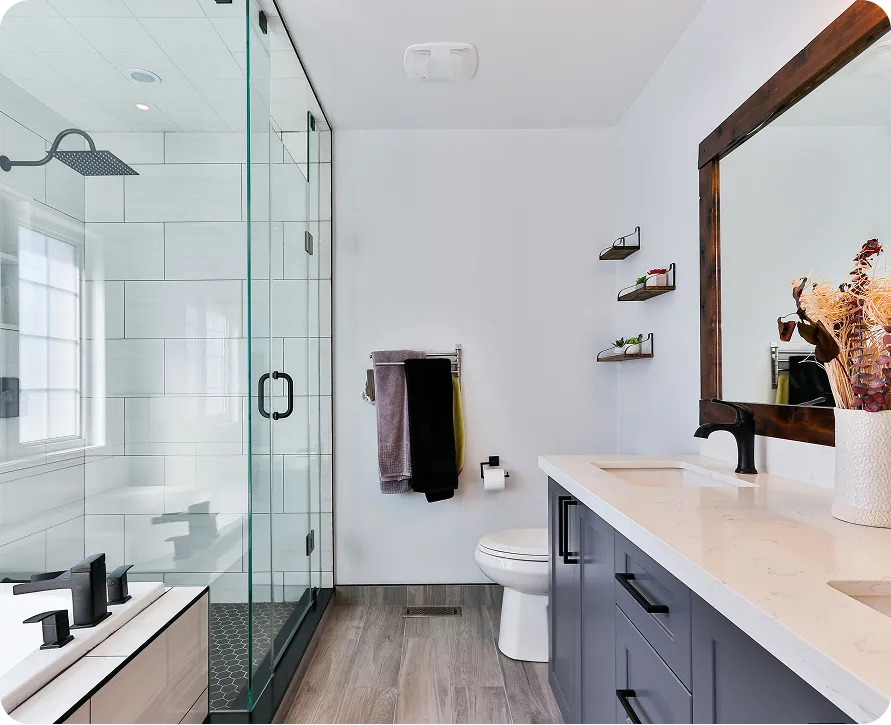
A bathroom remodel payment plan can mean two different things, and it helps to separate them. The first is the payment schedule in your contract: how much you pay the contractor upfront, at each milestone and at completion. The second is how you fund those payments, whether from savings, a home equity line, a personal loan, promotional credit or a lender a contractor refers you to. A sound plan aligns the two so you never pay far ahead of the work actually finished.
This article walks through both sides for Florida homeowners: how a fair milestone schedule is structured, the common funding routes with their tradeoffs, and the protections that keep your money safe while the project is underway.
How milestone payment schedules work
Most remodeling contracts tie payments to stages of work rather than to dates on a calendar. A typical structure includes an initial deposit when the contract is signed, one or more progress payments as phases are completed, and a final payment after the punch list is finished and the permit is closed. The exact split depends on the contractor, the size of the job and how much material must be ordered in advance.
- Deposit: secures your place on the schedule and often funds custom orders such as a vanity, glass or special-order tile
- Rough-in milestone: after demolition, plumbing and electrical rough-in and passed inspections
- Waterproofing and tile milestone: after the shower pan, membrane, flood test and tile installation
- Final payment: after fixtures, glass and accessories are installed, the punch list is done and the final inspection is approved
What matters is that each payment roughly tracks the value of completed work and delivered materials. If a schedule front-loads most of the price before anything substantial happens on site, ask why.
Deposit size and what Florida law expects
Florida law places obligations on contractors who accept larger initial payments, including timelines for applying for permits and starting work, unless the homeowner agrees otherwise in writing. You do not need to memorize the statute, but you should know that a large deposit comes with expectations, and that a reputable contractor will be comfortable explaining how your deposit is applied and when work will begin.
Be cautious with any request for a large cash deposit before plans and selections exist, or before a written contract is signed. Pay by check or another traceable method made out to the business named on the license, never to an individual's personal account.
Ready to start your project?
Get a free, no-pressure consultation and an honest written quote from a licensed Florida team.
Common ways to fund a bathroom renovation
Each funding route carries different costs, risks and timelines. The right fit depends on your equity, credit, interest rates at the time and how quickly you intend to repay. A financial advisor or lender can help with the specifics; here is a general overview.
Savings or phased savings. Paying from savings avoids interest entirely. Some homeowners split a larger plan into phases, for example updating the primary bathroom now and the hall bath next year. Phasing works best when each phase is complete on its own and does not require reopening finished work later.
Home equity line of credit or home equity loan. Borrowing against home equity often carries lower rates than unsecured debt because the house secures the loan. A line of credit lets you draw funds as milestone payments come due. The tradeoff is that your home is collateral, and closing takes some time, so apply well before your planned start date.
Cash-out refinance. Replacing your mortgage with a larger one can fund a remodel, but it resets your mortgage terms. It tends to make sense only when the new rate and terms are favorable compared with your existing loan.
Personal or home improvement loans. Unsecured loans fund quickly and do not use your house as collateral, but rates are usually higher. They suit smaller projects or homeowners with limited equity.
Promotional credit cards or retail financing. Introductory zero interest offers can work for small purchases if the balance is paid in full before the promotion ends. Read the terms closely, since some offers charge deferred interest back to the purchase date if any balance remains.
Contractor-referred lenders. Some contractors partner with third-party lenders. These programs can be convenient, but the loan is with the lender, not the contractor, so compare the rate and fees against your own bank or credit union before accepting.
Line up funding before you sign the construction contract. A financing delay in the middle of a project can stall the crew and push your finish date back.
Matching your bathroom remodel payment plan to the scope
A clear scope is the foundation of any budget. An itemized quote shows where the money goes, which lets you decide where to spend and where to save. For instance, keeping the toilet and shower drain in their current locations avoids extra plumbing costs, while a frameless glass enclosure or large format tile adds cost. Our guide to bathroom remodel cost in Florida explains what drives the total.
Build a contingency into whatever you borrow or set aside. Older bathrooms often hide rotted subfloor, failing supply lines or water damage behind tile, and those discoveries are paid through change orders. Borrowing exactly the contract price leaves no room for them. A smaller project, like a tub to shower conversion, may also deliver the change you want at a more manageable cost.
Protecting your payments along the way
Florida's construction lien law allows unpaid subcontractors and suppliers to place a lien on your property even if you paid the contractor. Protect yourself by keeping any Notice to Owner documents you receive, and by requesting lien releases from the contractor and from any supplier or subcontractor who sent a notice before making payments, especially the final one.
- Verify the contractor's license on the Florida DBPR website before paying anything
- Make sure the contract lists the payment schedule and the work each payment covers
- Pay only for completed milestones and materials delivered to the site or ordered for you
- Request written lien releases as payments are made
- Hold the final payment until the punch list is complete and the permit has passed final inspection
How we handle pricing and payments
We are a licensed and insured Florida contractor serving homeowners across the state. Every project begins with a free in-home consultation and an itemized written quote, with the payment schedule spelled out in the contract. We pull permits under our license, keep one accountable team on your project and stand behind our work with a workmanship warranty. Learn more about our bathroom remodeling services.
If you want to build a bathroom remodel payment plan around a clear, itemized scope, schedule a free consultation and we will help you understand the costs before you choose how to fund them.
Frequently Asked Questions
Yes. Most contractors request an initial deposit when the contract is signed, often to secure the schedule and order custom materials. The amount varies. Make sure the contract explains how the deposit is applied and when work will begin, and pay the business named on the license by a traceable method.
Avoid schedules that require most of the contract price before substantial work is done, cash-only arrangements, payments made to an individual instead of the licensed business, and final payments due before the punch list and final inspection are complete. Each payment should correspond to work finished or materials delivered.
Many homeowners do. A home equity line lets you draw funds as milestone payments come due and often carries a lower rate than unsecured borrowing. Your home secures the loan, so understand the terms and risks. Apply early, since approval and closing take time before funds become available.
They can be, if you pay the full balance before the promotional period ends. Some offers use deferred interest, which charges interest back to the original purchase date if any balance remains. Read the terms carefully and compare them with other options before committing to a promotional plan.
A lien release is a document confirming that a contractor, subcontractor or supplier has been paid for their work or materials and waives the right to file a lien for that amount. In Florida, unpaid parties can lien your property, so collecting releases as you pay protects you from paying twice.
A Notice to Owner is a document a subcontractor or supplier may send to inform you they are providing labor or materials to your project. It preserves their lien rights. Keep every notice you receive and make sure those parties are paid, ideally by requesting lien releases, before making further payments to your contractor.
Phasing works when each phase stands on its own, such as remodeling one bathroom this year and another next year. Splitting a single bathroom into phases often costs more, because crews must return and finished work may need to be opened again. Discuss phasing options with your contractor during the consultation.
There is no universal number, but a contingency should reflect the age of the home and how much is unknown behind walls and under floors. Older bathrooms with original plumbing usually deserve a larger cushion. Your contractor can point out risk areas during the consultation so you can plan an appropriate reserve.
Yes. Personal loans fund quickly and do not use your home as collateral, which some homeowners prefer. Rates are usually higher than secured options, and terms vary by lender and credit profile. They tend to fit smaller projects or situations where home equity is limited or unavailable.
The final payment should be due after all work is complete, the punch list items are resolved, the final inspection has passed and you have received any warranty documents and lien releases. Holding the last payment until these items are done gives both parties a clear finish line.
Some contractors partner with outside lenders, while others do not offer financing at all. When a lender is referred by a contractor, the loan agreement is still with the lender. Compare its rate, fees and terms with your own bank or credit union before choosing, and never feel pressured to accept on the spot.
Keep plumbing fixtures in their current locations, choose standard sized tile and fixtures, use a framed glass door or curtain instead of frameless glass, and make selections early to avoid rush costs. Spend on waterproofing and ventilation, which protect the investment, and save on decorative items that can be upgraded later.