




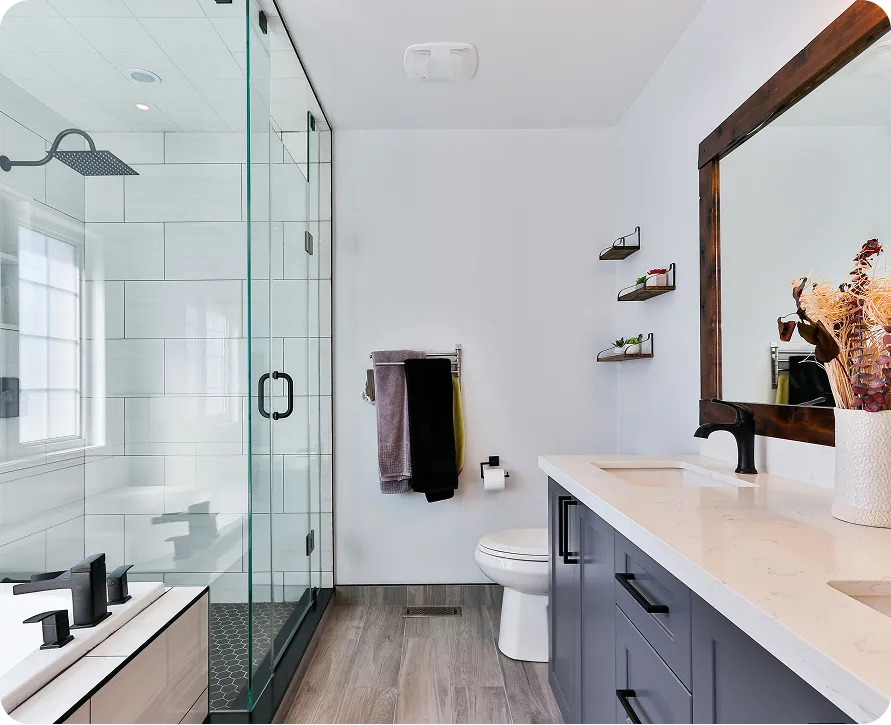
How long does a bathroom remodel St Petersburg FL homeowners schedule actually take from first phone call to first shower? For a full gut of a typical hall or primary bath, plan on roughly two to three months end to end, with the construction itself usually taking a few weeks of that. The rest is design, selections, ordering and permitting. Here is a phase-by-phase timeline so you know what happens when, and where delays usually hide.
Every home is different, so treat these phases as a planning framework rather than a promise. A powder room refresh moves faster; a primary suite with a layout change, custom glass and a new window moves slower. What stays constant is the order of operations.
Weeks 1 to 2: consultation and measuring
The first visit is about understanding the room and how you use it. We measure, check the age and type of plumbing, look at the subfloor for soft spots, find out where the exhaust fan vents and note anything that suggests past leaks. You tell us what bothers you today: no storage, a tub nobody uses, a dark vanity area, a slippery floor.
From there, we prepare an itemized written quote with a clear scope of work. This document is the foundation of the schedule. Vague scopes lead to change orders, and change orders are the most common reason a bathroom finishes late.
Weeks 2 to 4: selections and design decisions
This is the phase homeowners enjoy most and the one that most often drags. Decisions needed before ordering include:
- Vanity size, style and countertop material
- Shower valve system and trim finish
- Floor and wall tile, plus the layout and any niche locations
- Glass enclosure type (framed, semi-frameless or frameless)
- Lighting, mirror and exhaust fan
- Toilet style and rough-in dimension
We encourage clients to make every selection before demolition is scheduled. Picking tile while the room is already gutted is how a three week project becomes a six week project. If you are converting a tub, our article on tub to shower conversion helps frame the choices.
Ready to start your project?
Get a free, no-pressure consultation and an honest written quote from a licensed Florida team.
Weeks 3 to 6: ordering, lead times and permits
Once selections are final, products are ordered and the permit application goes in. These two tracks run at the same time. Lead times vary widely: stock vanities and tile may arrive quickly, while custom cabinetry, special order tile and frameless glass take longer. Glass is usually measured after tile is installed, so its fabrication time sits inside the construction phase rather than before it.
Permits are required when plumbing is moved, circuits are added, or framing is altered, under the Florida Building Code and local rules. Review times depend on the building department's workload. We handle the application and schedule inspections, so you do not have to chase paperwork.
Construction week 1: demolition and rough-in
Demolition goes fast, usually a day or two, including floor protection along the path from the door to the bathroom and dust control. This is also the moment of truth. With walls and floor open, we can see the condition of studs, joists or slab, drain lines and supply piping. Any rot, termite damage or failing pipe gets documented with photos and discussed with you before it is addressed, which is exactly what your contingency is for.
Rough plumbing and electrical follow, then the rough inspection. Nothing gets closed up until the inspector signs off.
Construction weeks 2 to 3: waterproofing and tile
Backer board goes up, the shower pan is built with proper slope to drain, and the waterproof membrane is installed per the manufacturer's instructions. Then comes the flood test: the drain is plugged and the pan holds water for a set period to confirm it is watertight. Only then does tile begin.
Tile is detail work and takes as long as it takes. Large format tile needs a flat substrate and careful lippage control; small mosaics take longer to set and grout. Thinset and grout need cure time before sealing and fixture installation. In humid weather, we do not rush those cure windows.
Construction weeks 3 to 4: fixtures, glass and punch list
Vanity, countertop, toilet, trim, lighting, mirror and accessories go in. The glass company templates the enclosure once tile is finished, and installation follows when the panels are ready. A final inspection closes the permit. Then we walk the room with you, make a punch list of anything that needs touching up and complete it.
How an older St. Pete house can stretch the calendar
Many homes around the city were built decades ago, and age adds variables. Original cast iron drain lines may be scaled or cracked, and connecting new PVC to them needs care. Galvanized supply pipes can be narrowed by corrosion, which is worth replacing while the wall is open anyway. Wiring in older baths may lack the ground fault protection modern code expects near water. Raised wood floors over a crawlspace can hide rot at the toilet flange, while slab homes may need concrete cut to reroute drains.
None of this is cause for alarm, but each item can add a day or two of work and sometimes another inspection. When we know the build year and can peek into an attic or crawlspace during the consultation, we flag likely issues up front and price them as allowances, so the schedule you see on paper already accounts for what the house is likely to reveal.
Keeping a Bathroom Remodel St Petersburg FL project on schedule
Three habits keep jobs moving. First, finalize every selection before demolition. Second, approve change orders quickly, in writing, so crews are not idle. Third, keep a contingency set aside so a hidden problem becomes a decision rather than a crisis. Our guide to bathroom remodel costs in Florida explains how scope choices affect both budget and timing.
It also helps to plan around your household. If this is your only full bath, ask about sequencing so the room is out of service for the shortest possible window, or line up a backup plan for a few weeks. Hurricane season can affect material deliveries and crew availability, so building a little slack into late summer projects is wise.
Most bathroom delays are decided before demolition. Final selections, ordered materials and an approved permit are the three green lights that let construction run straight through.
Assured Supreme Contracting is a licensed and insured Florida contractor that pulls permits, provides an itemized written quote and stands behind its installations with a workmanship warranty. If you would like a realistic timeline for a bathroom remodel St Petersburg FL homeowners can plan around, schedule a free in-home consultation, or read more about our bathroom remodeling services.
Frequently Asked Questions
Count backward at least two to three months for a full remodel, and add more time if you want custom cabinetry, a layout change or special order tile. Starting early gives room for selections, ordering and permit review without pressure. Rushed planning tends to cost more and produces more change orders during construction.
Frameless and semi-frameless glass is cut to the exact dimensions of the finished tiled opening. Walls are never perfectly plumb, and tile thickness changes the final measurement. The glass fabricator measures after tile is complete, then cuts the panels. That is why glass arrives near the end of the job.
For a full remodel, usually not. Water is shut off to the room, fixtures are removed and the space becomes an active work zone with open walls and curing materials. If it is your only full bath, talk with us early about phasing or temporary arrangements so the household is not caught off guard.
We stop, photograph the issue, explain the options and give you a written change order with the cost before proceeding. Common finds include rotted subfloor near toilets, corroded supply lines and old drain fittings. Having a contingency set aside means these discoveries can be handled quickly without stalling the schedule.
It depends on the scope and the building department. A remodel with plumbing and electrical changes typically has a rough inspection before walls are closed and a final inspection when the work is finished. Some jurisdictions add others. We schedule each one and coordinate access so inspections do not slow the project.
Yes. Thinset, grout and some liquid membranes cure more slowly in high humidity, and sealing grout before it has cured can trap moisture. We follow the manufacturer's cure times and adjust the schedule when the air is especially damp. A day or two of patience protects the finish for years.
Often, yes. Keeping a sound tub avoids drain changes and lets the crew focus on surround, floor and vanity work. However, if the tub is old enamel over steel, chipped, or poorly supported, replacing it during the remodel is easier than doing it later. We look at the tub's condition before recommending either path.
Every change order can affect both materials and labor. A new tile selection might add lead time; a moved outlet might need another inspection. Approving changes quickly and in writing keeps crews working. The more decisions are locked in before demolition, the fewer change orders appear once construction starts.
It can. Storm threats may pause outdoor deliveries, shift crew schedules or delay suppliers after a major event. Interior work like a bathroom is less exposed than roofing, but we still build a little flexibility into late summer and early fall schedules and keep homeowners informed if anything shifts.
You can, but coordinate first. We confirm quantities, including overage for cuts and breakage, and check that the tile suits the application, such as slip resistance for floors. Having the wrong amount delivered can slow things down instead. A quick review before purchase avoids that problem and keeps everyone on the same timeline.
A powder room has no shower, so there is no pan, membrane or flood test. Most of the work is vanity, toilet, flooring, lighting and wall finishes. That usually means a much shorter construction window, often measured in days rather than weeks, provided selections are ready before work starts.
Clear the bathroom and nearby hallway, remove fragile items from adjacent walls, plan for pets and confirm parking for crews and deliveries. Let us know about alarm codes or access needs. A short pre-start walkthrough with the crew lead helps everyone agree on work hours, protection and daily cleanup expectations.