




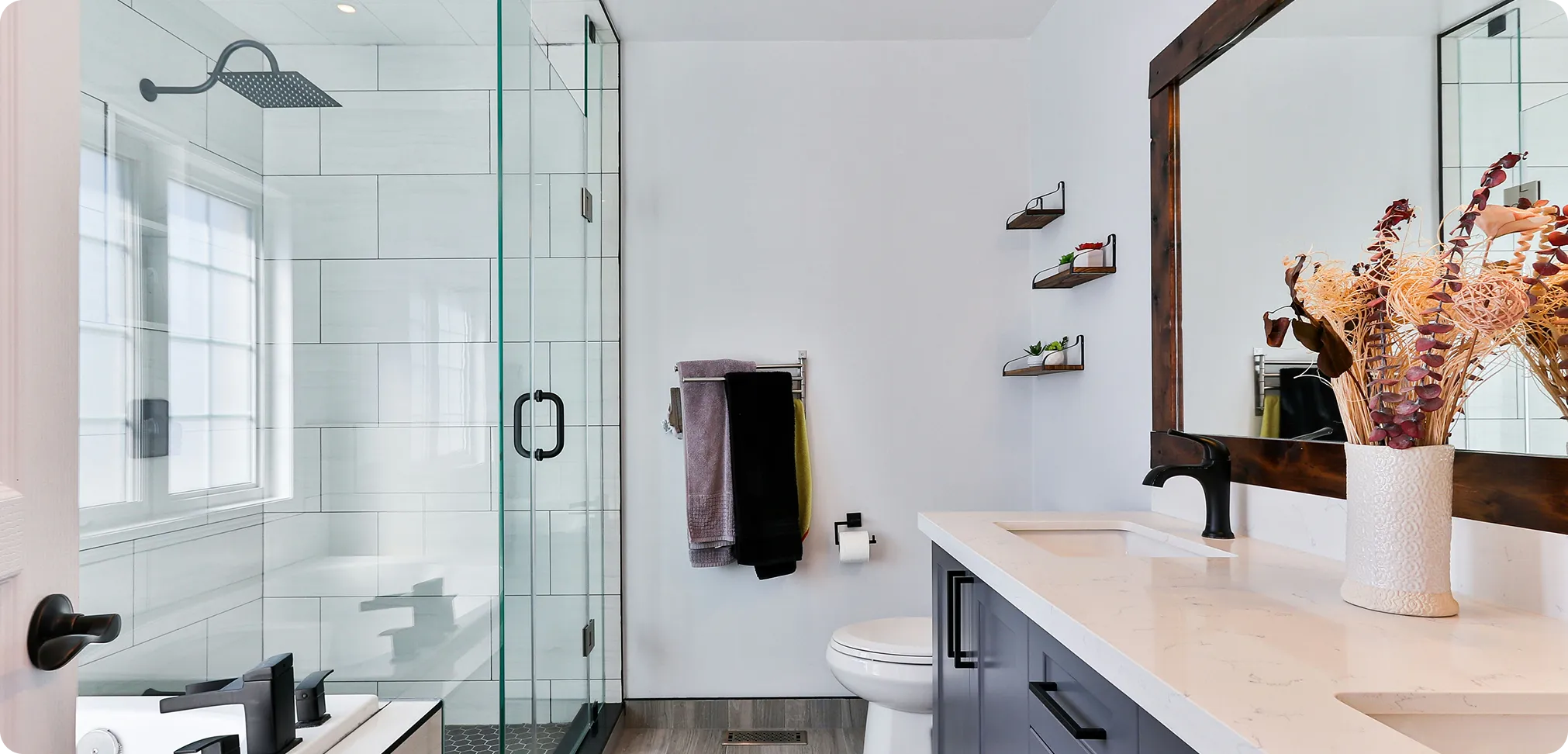
Beach houses are hard on bathrooms. Salt rides in on the breeze, sand comes in on feet, wet towels stay damp in the sea air, and many coastal homes sit empty for stretches before filling up with guests all at once. Anyone looking into bathroom remodeling Siesta Key style, meaning a bath built for a barrier island or waterfront home anywhere in Florida, needs materials chosen for that environment first and for looks second. Fortunately, the two goals rarely conflict.
This article compares the main material choices for a coastal bathroom, layer by layer, and explains which options hold up best when humidity and salt are constant companions.
Why a coastal bath needs a different spec
Inland Florida bathrooms already deal with high humidity. Near the Gulf or the Atlantic, add airborne salt that settles on metal and accelerates corrosion, plus homes that may be closed up with the air conditioning set high while owners are away. Closed, warm, humid rooms are ideal conditions for mildew. A coastal spec answers those problems with corrosion-resistant metals, nonporous surfaces, strong ventilation and details that let water drain and surfaces dry quickly.
Floor and wall surfaces compared
- Porcelain tile: dense, low absorption, available in textured finishes for slip resistance. The most forgiving choice for wet areas and sandy feet.
- Ceramic tile: fine on walls outside the shower, softer and more porous than porcelain on floors.
- Natural stone: beautiful, but marble and limestone can etch and stain, and need sealing. Better suited to owners who live in the house full time and keep up maintenance.
- Luxury vinyl plank: water-resistant and warm underfoot, useful in powder rooms, though not a substitute for tile inside the shower.
Floor texture deserves real thought in a beach home. Polished tile looks dramatic until someone walks in from the pool with wet feet. A matte or lightly textured porcelain gives better grip, and smaller tiles on a shower floor add more grout lines for traction.
Ready to start your project?
Get a free, no-pressure consultation and an honest written quote from a licensed Florida team.
Bathroom Remodeling Siesta Key: what goes behind the tile
The layers you never see decide how long the bathroom lasts. Cement backer board or foam board panels replace drywall in the shower. A waterproof membrane covers the entire wet zone, lapped and sealed at every seam and corner, and tied into a properly sloped shower pan. Before tile, the pan is flood tested to prove it holds water. Outside the shower, moisture-resistant drywall and a mildew-resistant paint finish handle the rest of the room.
For a home that may sit closed for weeks, a bonded waterproofing system with integrated drains and niches reduces the number of joints where water could work in. Ask your contractor which system they use and how they detail the curb, niche and valve penetrations.
Metals and fixtures that survive salt air
Corrosion shows up first on cheap metal. Towel bars rust at the screws, cabinet pulls pit, and faucet finishes dull. When choosing fixtures for a coastal bath, consider these points:
- Solid brass bodies under the finish generally outlast zinc alloy in harsh conditions.
- Stainless steel accessories should be a higher grade suitable for marine environments where available.
- Physical vapor deposition finishes tend to resist wear better than standard plating.
- Stainless or coated screws for mounting hardware prevent rust streaks on tile and paint.
- Shower door hardware and hinges deserve the same scrutiny as faucets, since they live in the wettest spot.
Vanities and storage
Cabinetry in a beach bathroom faces steady humidity. Plywood boxes handle moisture better than standard particleboard, and a well-finished face frame or frameless box with sealed edges keeps swelling at bay. Floating vanities lift the cabinet off the floor, which makes mopping sand easier and keeps the base dry if a little water escapes the shower. Open shelving looks breezy in coastal design, but anything stored on it collects salt film and dust, so mix open shelves with closed storage.
For countertops, quartz is nonporous and low maintenance, which suits rental and second homes. Granite performs well when sealed. Marble rewards owners who accept patina. We compare all three in our article on quartz versus granite versus marble.
Ventilation for homes that sit empty
A bathroom fan only helps while it runs. In a part-time residence, a humidity-sensing fan switches itself on when moisture climbs, even if nobody is home to flip a switch. Pair it with a properly ducted exterior vent, and keep the home's air conditioning running at a sensible setting rather than shutting it off completely. Our guide to keeping mold out of Florida bathrooms covers more detail on airflow and dehumidification.
Layout ideas for beach living
Coastal bathrooms often need to work harder than inland ones. A few layout ideas make life easier:
- A walk-in shower with a handheld wand doubles as a rinse station for sandy kids and gear.
- A bench inside the shower helps guests rinse feet and adds comfort for older visitors.
- Hooks rather than towel bars let wet towels dry faster with more air around them.
- A durable, easy-clean glass panel instead of a shower curtain avoids mildewed fabric.
If you are converting an old tub to a larger shower, our tub-to-shower conversion article walks through what the change involves.
Lighting, mirrors and electrical details
Bathroom electrical work in a humid home needs the same corrosion awareness as plumbing. Fixtures rated for damp or wet locations belong near the shower, and any light inside the shower enclosure must carry a wet rating. Ground-fault protection on bathroom outlets is required by code, and a contractor will confirm it during the rough-in. Mirrors with sealed edges resist the black silvering damage that creeps in from the corners when moisture gets behind the glass, a common sight in older beach homes.
Lighting also shapes how a coastal bath feels. Layered light, combining a ceiling fixture, vanity lights at face height and perhaps a small night light at floor level, works better than a single overhead source. Warm color temperatures flatter skin tones and pair well with the soft whites, sandy neutrals and sea glass tones many homeowners choose for a beach property.
In a coastal bathroom, choose nonporous surfaces, corrosion-resistant metals and automatic ventilation. Those three decisions do more for longevity than any style choice.
Permits, wind and water rules
Waterfront and barrier island homes often fall within flood zones, and exterior openings must meet wind requirements under the Florida Building Code. A bathroom remodel that adds a window, changes plumbing or alters walls typically requires a permit. A licensed contractor knows how to document products and coordinate inspections so the work passes the first time.
Assured Supreme Contracting is a licensed and insured Florida contractor offering a free in-home consultation, an itemized written quote, permit handling, one accountable team and a workmanship warranty. If you are weighing bathroom remodeling Siesta Key style upgrades for a coastal property anywhere in Florida, request a free consultation and we will help you build a bathroom that stands up to salt, sand and humidity.
Frequently Asked Questions
Glass with a factory-applied protective coating resists water spots and mineral buildup better than untreated glass. Frameless or semi-frameless panels have fewer metal channels where salt and grime can collect. A quick squeegee after each use helps a great deal, and a handheld shower makes rinsing the glass easy for guests.
Yes, when installed correctly. A floating vanity must be anchored into solid blocking or studs inside the wall, which is easiest to add while the wall is open during a remodel. Ask your contractor to confirm the blocking plan and weight rating, especially if the countertop is heavy stone.
It depends on the grout type. Traditional cement grout benefits from periodic sealing, and many manufacturers suggest checking it yearly. Epoxy and some high-performance grouts resist staining without sealing. If you rent the home or visit only part of the year, a low-maintenance grout reduces the upkeep between stays.
Wood-look porcelain plank tile is a popular choice because it gives warmth without the moisture problems of real wood. Choose a textured surface for grip, and ask the installer about lippage control, since long planks can show uneven edges if the subfloor is not flat. It works well on floors and shower walls alike.
A humidity-sensing fan that turns on automatically when moisture rises is ideal for homes that sit empty. Some models also run at a low continuous speed for background ventilation. The duct must vent outdoors. Combined with air conditioning left on at a reasonable setting, it helps keep mildew from forming between visits.
In Florida, new or replacement exterior windows must meet wind load requirements for the location, and some areas require impact protection or approved shutters. A licensed contractor will specify a product with the right approvals. For privacy, consider obscure or frosted impact glass, which avoids blinds that collect moisture.
Not necessarily, but it requires more care. Softer stones can etch from acidic cleaners and stain if not sealed. Owners who live in the home full time and follow a maintenance routine often enjoy stone for years. For rentals or part-time homes, porcelain that mimics stone is usually the more practical option.
Use stainless or coated mounting screws for every accessory, choose solid metal fixtures with durable finishes, and avoid leaving metal cans or razors on tile ledges. Rinsing salt film from fixtures occasionally helps too. If rust appears, address the source rather than only cleaning the stain, since it will return otherwise.
A low-profile threshold or a flush transition strip keeps the floors level and reduces tripping. With a curbless shower, the bathroom floor may need careful planning so water stays inside. Your contractor can recommend transition profiles in metal or stone that match the finishes and resist corrosion in humid air.
That depends on who rents it. Families with young children often look for at least one tub, while couples may prefer a spacious walk-in shower. If the home has several bathrooms, keeping one tub and converting the others is a common compromise that appeals to a wider range of guests.
Leave the air conditioning running at a moderate setting, keep a humidity-sensing fan active, leave shower doors and cabinet doors slightly open for airflow, and remove damp towels before leaving. A smart leak sensor under the vanity and near the toilet can alert you to a problem before it becomes serious.
Interior remodels usually focus on the Florida Building Code, but in a flood zone, large improvements relative to the home's value can trigger floodplain requirements. The building department makes that determination. Your contractor should raise the question early so the plan reflects any requirements before you commit to a design.