




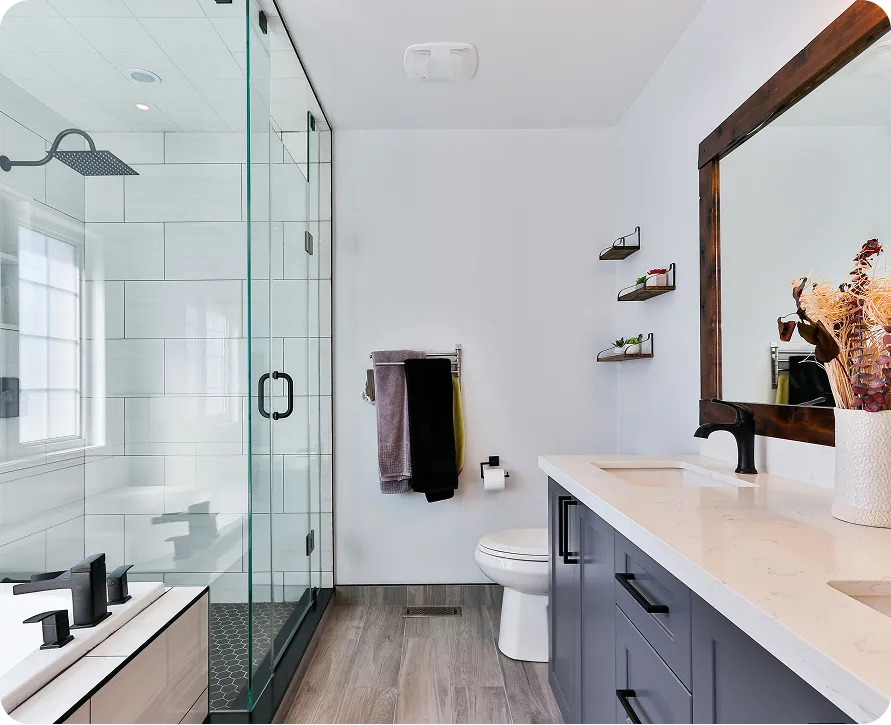
What will Bathroom Remodeling Tampa FL actually cost you? Honest contractors cannot quote a number without seeing the room, because the price is the sum of several decisions: how much of the room changes, whether plumbing moves, which shower system you pick, the tile and fixtures you choose and what is hiding behind the existing walls. Understanding those drivers lets you shape a budget before anyone writes an estimate.
This article breaks the cost of a bathroom into its parts and explains why each one rises or falls. Use it to have a sharper conversation during your consultation and to compare proposals fairly.
Driver one: how far you go
Bathroom projects tend to fall into three broad levels. A refresh replaces visible surfaces, such as the vanity, toilet, lighting, mirror and paint, while leaving the shower and floor alone. A full remodel removes everything down to the studs and subfloor and rebuilds with new tile, waterproofing and fixtures. A reconfiguration goes further and changes the layout itself, moving walls, drains or doorways.
Each step up adds trades and inspections. A refresh might only need a plumber to reconnect fixtures. A full remodel involves demolition, plumbing rough-in, electrical, a tile setter, possibly a glass installer and a painter. A reconfiguration can add framing, slab cutting and drywall in neighboring rooms.
Driver two: keeping or moving the plumbing
Leaving the toilet, sink and shower drain where they are is the most budget-friendly path. Moving them is where costs climb, especially in slab-on-grade homes, which are common around Tampa. Shifting a toilet a short distance can mean breaking concrete, rerouting the drain at the correct slope and patching the slab before any finish work begins.
Converting a tub to a curbless or low-threshold shower often requires recessing the floor so the shower pan can slope to the drain without a step. That is excellent for accessibility, but it adds labor. If you are considering this, the guide to a tub to shower conversion explains the options.
Ready to start your project?
Get a free, no-pressure consultation and an honest written quote from a licensed Florida team.
Driver three: the shower system you choose
The shower is usually the most labor-intensive area of a bathroom. A prefabricated acrylic or fiberglass unit installs relatively quickly. A tiled shower involves building the pan, installing backer board, applying a waterproof membrane, flood testing and then tiling, which takes skilled hours. Adding a built-in niche, a bench, multiple shower heads or a linear drain increases both material and labor.
- Valve and trim: a single pressure-balance valve is simpler than a thermostatic system with diverters and body sprays.
- Glass: a curtain costs least, framed doors sit in the middle and heavy frameless panels cost most.
- Drain style: a standard center drain is simpler than a linear drain, which needs a different floor slope.
Driver four: tile, stone and surfaces
Tile pricing varies widely, but the installation cost often matters more than the tile itself. Large-format porcelain demands a very flat wall and floor, and preparing the surface takes time. Small mosaics, herringbone patterns and intricate layouts take far longer to set than a simple stacked or offset pattern. Natural stone needs sealing and careful handling.
Countertops follow the same logic. A prefabricated vanity top is economical, while a custom quartz or stone top must be templated and fabricated. The more square footage of tile you add, such as running it floor to ceiling instead of to shower height, the more both materials and labor grow.
Driver five: fixtures, vanity and lighting
A stock vanity from a showroom is very different in price from a custom piece built to fit an awkward wall. Faucet finishes, toilet styles, medicine cabinets, heated floors and upgraded lighting all add up. None of these choices change the labor dramatically on their own, but together they can move the total considerably.
Do not overlook ventilation. Florida bathrooms need a properly sized exhaust fan vented to the exterior. Upgrading a weak fan or adding a humidity-sensing control is a modest line item that prevents mildew, peeling paint and damage to your new finishes.
Driver six: what is behind the walls
The final variable is the one nobody can price exactly in advance. Leaks around an old tub, rotted subfloor near a toilet, failing cast iron drains and outdated wiring all show up regularly during demolition. A reasonable contingency set aside before work starts keeps these discoveries from derailing the project. Our article on preventing mold in Florida bathrooms explains why moisture damage is so common here.
Labor and scheduling also play a part. A project that needs several trades in a tight sequence, such as a plumber, an electrician, a tile setter and a glass installer, costs more to coordinate than a simple swap. Delays waiting on a special order item can stretch the job, so choosing in-stock materials where it makes sense helps keep both the timeline and the budget under control.
Two bathrooms of the same size can differ sharply in cost because one keeps its plumbing layout and simple tile, and the other moves the drain and uses intricate stone. Size is only part of the story.
Smart ways to control Bathroom Remodeling Tampa FL costs
- Keep fixtures in their current locations when the existing layout works.
- Use an eye-catching tile only on a feature wall and a simpler tile elsewhere.
- Choose a quality stock vanity in a standard size instead of custom cabinetry.
- Make selections early to avoid expedited shipping or schedule delays.
- Spend on what you cannot easily change later: waterproofing, valves and ventilation.
That last point is worth repeating. Mirrors, lighting and hardware are easy to swap in five years. A shower pan that leaks or a valve buried behind tile is not. Put your money into the parts of the bathroom that are expensive to reach later.
Comparing proposals fairly
When you collect quotes, line them up category by category. Confirm each includes permits, demolition and disposal, waterproofing details, electrical work, drywall and paint, and final cleanup. Look for allowances and make sure they reflect what you actually plan to buy. For a statewide view of what influences budgets, our article on bathroom remodel costs in Florida adds more context.
Pay attention to the warranty and the process for closing out the job as well. A slightly higher quote that includes a written workmanship warranty, a closed permit and a clear punch-list process may be the better value over the life of the bathroom than a lower one that leaves those questions unanswered.
Assured Supreme Contracting is a licensed and insured Florida contractor serving Tampa and homeowners throughout the state. We offer a free in-home consultation followed by an itemized written quote, pull all required permits, keep one accountable team on the job and back our work with a workmanship warranty. For Bathroom Remodeling Tampa FL pricing based on your actual room, request a free consultation today.
Frequently Asked Questions
Bathroom costs depend on the existing plumbing layout, subfloor condition, wall construction, ventilation and your choice of finishes. Without seeing the room, any phone number is a guess that will likely change. An in-home visit lets a contractor measure, inspect and write an itemized quote you can rely on.
Generally, yes. Acrylic or fiberglass units install faster and require fewer steps than a tiled shower, which needs a pan, backer board, waterproof membrane, flood test and tile setting. Tiled showers offer more design flexibility and can be built to any size, which is why many homeowners still prefer them.
It can, particularly in homes on a concrete slab. Relocating a toilet usually means cutting the slab, rerouting the drain with correct slope, passing inspection and patching the concrete. Over a raised floor it may be simpler. Ask for the relocation priced as its own line item so you can weigh the benefit.
Tile setting is skilled, time-consuming work. Walls and floors must be flat and properly prepared, layouts must be planned so cuts look intentional, and patterns like herringbone or mosaics require many more cuts. Large-format tile adds surface preparation. Labor often exceeds the cost of the tile itself.
A linear drain is a long, narrow drain usually placed along one edge of the shower floor. It allows the floor to slope in one direction, which suits large-format tile and curbless designs. It typically costs more than a standard center drain and requires careful planning of the floor slope.
It is a comfort upgrade rather than a necessity in a warm climate, though some homeowners enjoy it on cooler mornings. It requires a dedicated circuit and thermostat and must be installed before tile. Consider it if it fits your budget after essentials like waterproofing and ventilation are covered.
That depends on the home's age and the condition visible before demolition. Signs of past leaks, soft floors or very old plumbing suggest a larger reserve. Your contractor can suggest a cushion after inspecting the space. Any amount not needed stays with you at the end of the job.
Frameless glass has a clean, open look and is easier to wipe down because there are fewer metal channels. It uses thicker glass and precise fabrication, so it costs more than framed doors. Framed or semi-frameless enclosures are durable, budget-friendly alternatives that still look good.
A custom vanity makes sense for unusual dimensions, specific storage needs or a particular style. For standard wall widths, quality stock vanities offer good value and shorter lead times. Look for plywood construction and a durable finish, since bathroom humidity is hard on lower-grade materials.
Permit fees vary by jurisdiction and project value, and your contractor includes them in the quote. More important than the fee is what permits provide: inspections that verify plumbing and electrical work. Skipping permits can create problems with insurance claims and when selling the home.
Highly personalized or trendy finishes may not appeal to future buyers, and premium fixtures sometimes deliver little practical benefit. Upgrades that improve function, such as better ventilation, quality valves, good lighting and smart storage, tend to be appreciated by everyone who uses the room.
Some work can be phased, such as replacing the vanity and lighting now and the shower later. However, phasing a full remodel usually costs more overall because of repeated mobilization and demolition. If the shower needs waterproofing work, it is generally better to do the wet areas together in one project.