




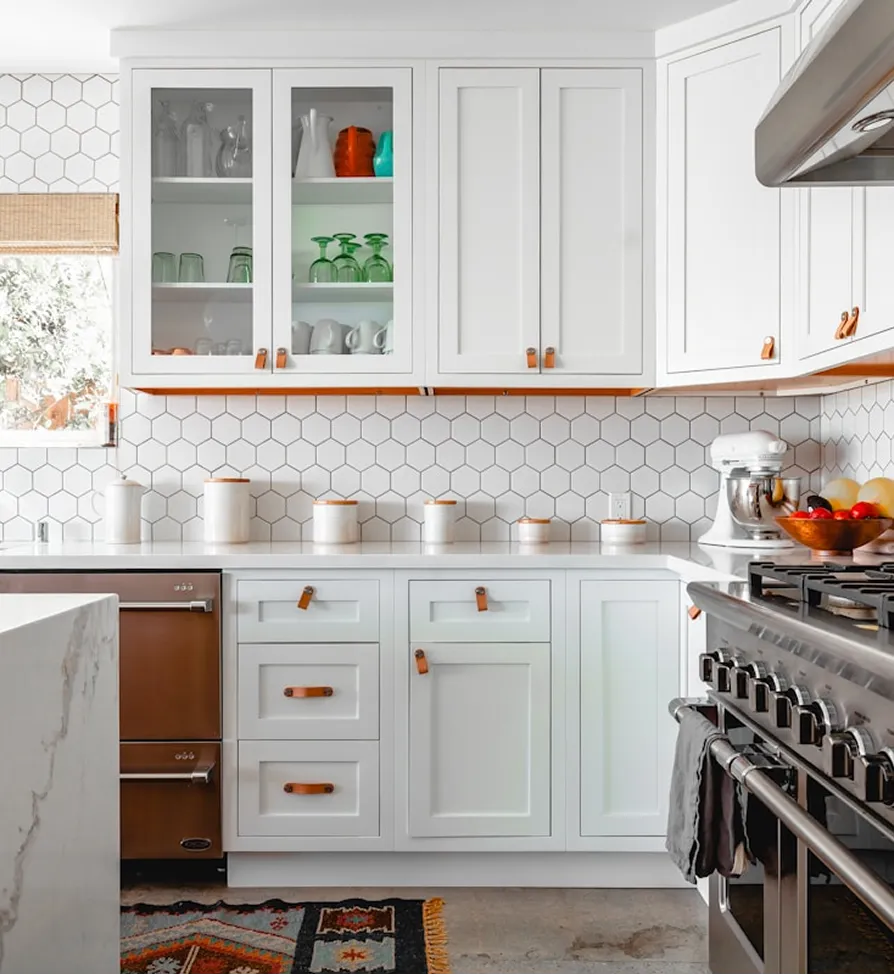
Two kitchens can share the same door style and paint color and still be worlds apart in quality. The difference lives in places most people never look: how drawer boxes are joined, what the cabinet backs are made of, how the finish was applied, and how carefully everything was fitted on site. If you are searching for a custom cabinet maker Tampa homeowners trust, it pays to know what separates fine work from merely acceptable work, and which questions reveal it before you commit. Here is a look inside the craft, written from the contractor's side of the process.
Maker, Dealer or Contractor: Who Does What
The cabinet world has three kinds of businesses, and they are easy to confuse.
- A cabinet maker or custom shop builds boxes, doors and drawers to order, usually in its own workshop. The shop controls materials, joinery and often the finish.
- A dealer or showroom sells cabinetry produced by manufacturers, which may be stock, semi-custom or custom lines. Dealers often provide design help but do not build the product.
- A general contractor manages the whole project: demolition, plumbing and electrical changes, permits, cabinet installation, countertops, backsplash and finishing. A contractor may work with local shops, manufacturers or both.
For a kitchen or bath remodel, you need all three functions covered. The question is who coordinates them and who is accountable if the sink base arrives an inch too wide for the plumbing.
What to Look for Inside the Box
Open a sample cabinet in a showroom and look past the door. These details reveal how it was built:
- Box material. Furniture-grade plywood is common in quality work for its strength and resistance to moisture. Ask what the sides, bottom and back are made of.
- Back panel. A full-thickness back adds rigidity and gives installers solid material to screw through into studs. Thin backs rely on hanging rails.
- Joinery. Dado or rabbet joints, where one panel sits in a groove cut into another, are stronger than simple butt joints held with staples.
- Drawer boxes. Dovetailed solid wood or high-quality plywood drawers with a captured bottom hold up to years of heavy pots. Stapled particleboard drawers do not.
- Slides and hinges. Full-extension undermount slides with soft-close and adjustable concealed hinges are standard in good custom work. Ask about load ratings for wide drawers.
- Interior finish. A sealed interior resists stains and moisture and is easier to wipe clean.
Ready to start your project?
Get a free, no-pressure consultation and an honest written quote from a licensed Florida team.
Finish Quality and Florida Humidity
Finish is where many cabinets fail early in a humid climate. Ask how the finish is applied and cured. Spray-applied catalyzed or conversion varnish finishes, applied in a controlled booth, produce a hard, durable surface. Ask whether all six sides of doors are sealed, since unsealed backs and edges let moisture in and can encourage movement or warping.
For painted work, ask about the primer system and how the shop handles joints on five-piece doors. A small hairline at the joint can appear as wood moves seasonally, and an honest maker will tell you that before you buy, not after.
Questions to Ask a Custom Cabinet Maker Tampa Shops Should Answer Easily
Bring this list to every shop or showroom you visit:
- Can I see a cabinet you have built, not just a door sample?
- What material are the boxes, backs and drawer boxes made from?
- What hinges and slides do you use, and are they adjustable?
- How is the finish applied, and are all surfaces sealed?
- Who does the site measurement, and who is responsible if dimensions are wrong?
- What is the current lead time, and what could extend it?
- Who installs the cabinets, and how is installation warrantied?
- How are changes to the order handled once production begins?
Specific, unhesitating answers are a good sign. Vague responses about materials or a refusal to show construction details are not.
Judge a cabinet by its drawers, backs and finish edges, not by its door. Doors are the easiest part to make look good.
How a Good Design Process Unfolds
Quality custom work starts with listening. A good designer asks how you cook, who uses the kitchen, what you store and what annoys you about the current space. Measurements are taken on site, including ceiling height, window and door trim, and exact plumbing and electrical locations. Drawings are prepared, usually in plan and elevation, and revised until every drawer, panel and appliance opening is resolved.
Islands deserve special attention: seating overhang, power for small appliances, storage on the back side and the relationship to the range and sink. Our article on whether kitchen islands add value covers the design trade offs.
Only after drawings are approved and finishes are signed off does production begin. Changes after that point can be costly and delay the schedule, so take your time reviewing the plans.
Why Installation Is Half the Result
Even beautifully made cabinets look poor if installed carelessly. Boxes must be leveled from the floor's high point, shimmed plumb, joined so faces are flush, scribed to uneven walls and fastened into framing. Doors and drawers are then adjusted for even reveals. Our guide to kitchen cabinet installation explains the steps in detail. When the same team that manages your remodel also coordinates the cabinetry, the handoff between rough-in, cabinets, countertops and appliances is much smoother.
Matching the Shop to Your Project
Some shops excel at traditional, furniture-style work with inset doors and hand-applied details. Others specialize in sleek, frameless modern kitchens. Look at a shop's past projects and ask for examples similar to what you want. A great maker for one style may not be the best choice for another.
Comparing Cabinet Quotes Fairly
Cabinet pricing is notoriously hard to compare because every shop specifies its product differently. One quote may include crown molding, light rail, finished end panels, toe kick material and fillers, while another lists only the boxes and doors. One may include delivery and installation; another may not. Before comparing totals, ask each shop to price the same drawing set and to confirm what is included in writing: box material, drawer construction, hardware brand and type, finish system, moldings, panels, interior accessories, delivery and installation. Once the specifications match, the price difference tells you something real about value. Until then, a lower number may simply describe a lesser product.
Assured Supreme Contracting is a licensed and insured Florida contractor that delivers complete kitchen remodeling projects, coordinating custom cabinetry with every other trade under one accountable team and a workmanship warranty. We pull permits for the related work and serve Tampa and homeowners across Florida. If you are searching for a custom cabinet maker Tampa homeowners rely on as part of a full remodel, book a free consultation and receive an itemized written quote.
Frequently Asked Questions
A cabinet maker builds the cabinets, typically in a workshop, from raw materials to finished boxes, doors and drawers. An installer sets those cabinets in your home, leveling, joining, scribing and fastening them. Some businesses do both. In a remodel, installation is usually coordinated by the general contractor alongside plumbing, electrical and countertop work.
Dovetail joints interlock the front, back and sides of a drawer so they resist pulling apart under load. Drawers used for heavy pots and dishes take repeated stress, and dovetailed boxes hold up well over time. Simpler joints held only with staples or glue can loosen, especially in cheaper materials.
Plywood generally holds screws more securely and tolerates moisture better than standard particleboard, which can swell if water reaches an unsealed edge. Some high-quality engineered panels perform well in specific uses. For sink bases and areas exposed to water, plywood or moisture-resistant materials are a sensible choice in a humid climate.
It means the front, back and all four edges of a door or panel are sealed, not just the visible face. Sealing every surface helps the wood respond more evenly to humidity changes and reduces the chance of warping or moisture absorption. Ask your cabinet maker whether doors are finished on all sides.
Lead time depends on the shop's current workload, the size of the order, the complexity of the design and the finish. Painted and specialty finishes may take longer. Ask for a current estimate and what could extend it, and finalize your design before demolition so the room is ready when cabinets are.
Many custom shops can replicate a door profile, molding or finish to match existing cabinetry or millwork. An exact color match on stained wood can be challenging because species and age affect appearance. Bring a sample door or detailed photos to the design meeting to discuss options.
Ask about two kinds of coverage: the shop's warranty on construction and finish, and the hardware manufacturer's warranty on hinges and slides. Installation is typically warrantied separately by the installer or contractor. Get all warranty terms in writing so you know who to call for which kind of problem.
Inset doors sit inside the face frame with a small, even gap around them. That gap can tighten slightly with seasonal humidity changes, so inset doors sometimes need minor hinge adjustment. With quality construction and proper installation, they perform well, but they demand more precision than overlay doors.
If possible, yes. Visiting the shop or a showroom lets you inspect finished cabinets, see the materials and hardware used, and ask questions directly. Looking at a complete cabinet, not just a door sample, reveals far more about construction quality than photos or catalogs can.
Yes. Custom shops can build panels for panel-ready dishwashers and refrigerators, openings for wall ovens and microwave drawers, and appliance garages with internal outlets. Exact appliance model numbers and specifications are needed before cabinet drawings are finalized so every opening is sized correctly.
A professional process includes inspecting cabinets on delivery and documenting any damage or errors. The shop or supplier should replace or repair affected pieces. Having a general contractor coordinate delivery and inspection helps ensure problems are caught before installation, not after countertops are templated.
The cabinets themselves usually do not, but related work often does, such as relocating plumbing, adding electrical circuits or modifying gas lines for a new range location. A licensed contractor will determine which permits apply under the Florida Building Code and handle them as part of the project.