




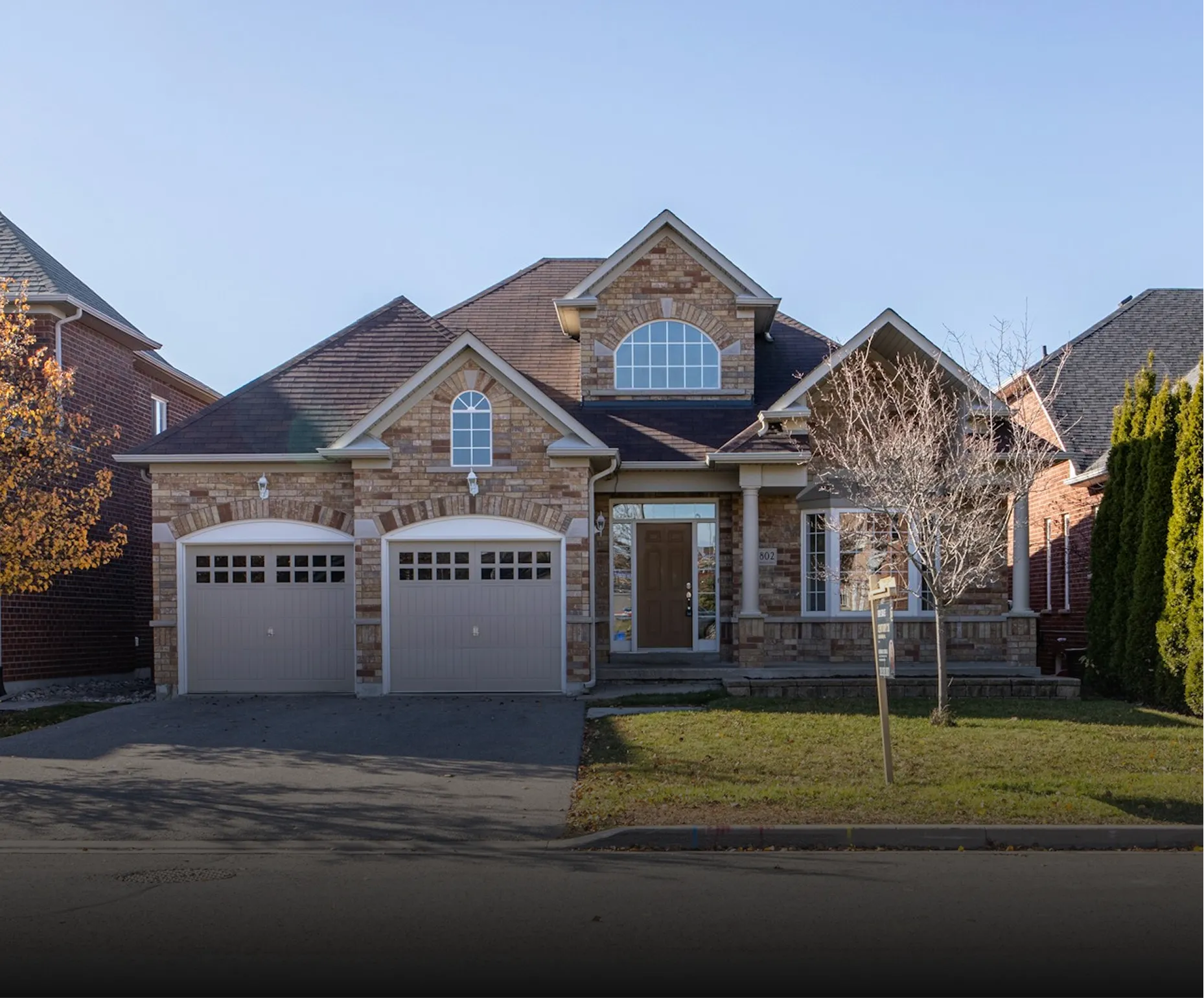
If you are interviewing custom home builders in Land O' Lakes, the most useful thing you can do is separate what you control from what you do not. You control the plan, the finishes, the timing of your decisions and who you hire. You do not control soil conditions, permit review times, material lead times or summer storms. Good builders are honest about both lists. This article clears up several common misconceptions about building a custom home in Pasco County, then lays out the questions that reveal how a builder will handle the parts nobody can control.
Misconception: a price per square foot tells you what the house will cost
A per-square-foot figure is a rough conversation starter, not a budget. Two houses of identical size can differ enormously in cost depending on roof complexity, ceiling heights, window count and type, foundation design, the number of bathrooms, and finish selections. A simple one-story plan with a hip roof is far more economical to build than a two-story home with multiple gables, a vaulted great room and a wall of sliding glass doors facing the water.
Site costs are also outside most per-foot numbers: clearing, fill, driveway, utility connections, septic if sewer is not available, landscaping and fencing. Ask any builder for an itemized estimate based on your plan and lot, and look for clearly stated allowances for selections you have not made yet.
Misconception: any lot will work if you like the location
The lot shapes the design and the budget. As the name suggests, the Land O' Lakes area includes many lakes and low-lying areas, so drainage, flood zone status and required floor elevations deserve close attention. Waterfront lots may carry additional setbacks or environmental restrictions. West central Florida, including Pasco County, is also known for sinkhole activity, which is one reason geotechnical soil testing is commonly part of new construction planning. Results can influence foundation design.
- Get a boundary and topographic survey before finalizing the plan.
- Confirm flood zone and elevation requirements.
- Ask whether soil testing is recommended and what it may reveal.
- Check for water and sewer availability, or plan for well and septic.
- Review any deed restrictions, HOA guidelines or architectural approval steps.
Ready to start your project?
Get a free, no-pressure consultation and an honest written quote from a licensed Florida team.
Misconception: the fastest builder is the best builder
Speed is appealing, but schedules on custom homes depend on factors no builder fully controls: permit review, inspection availability, weather and product lead times. A builder who promises an unusually short timeline may be planning to rush steps that matter, or simply telling you what you want to hear. A better sign is a builder who explains the realistic sequence and shows how they keep the job moving, through early ordering of long-lead items, clear selection deadlines and regular communication.
The part of the schedule you control is your own decision making. Choose flooring, cabinetry, plumbing fixtures, lighting and appliances on time, and avoid changes after construction starts. Late changes ripple through every trade that follows.
A practical approach is to ask your builder for a selections calendar at contract signing. It lists each decision, the date it is needed, and the showroom or supplier involved. Homeowners who work through that calendar steadily, rather than leaving everything for the last weeks, tend to make calmer choices and see fewer delays. It also gives you time to compare products against allowances and adjust before anything is ordered.
Misconception: all builders carry the same credentials
Florida licenses contractors by category, and the license type matters for the scope of work. Before signing, verify the license on the Florida DBPR lookup and confirm that it is active and appropriate for new residential construction. Ask for proof of general liability insurance and workers' compensation coverage. Our article on why hiring a licensed contractor protects you explains how these credentials affect your rights if something goes wrong.
What to ask custom home builders in Land O' Lakes before you sign
- How do you handle soil test results that call for additional foundation work?
- Which items have the longest lead times, and when do you order them?
- How will I receive updates, and how often will we meet on site?
- What allowances are in the estimate, and what products were they based on?
- How are change orders priced and approved?
- How do you protect the job site and materials during storms?
- What does your workmanship warranty cover, and how do I request service?
- Can I see a home you are building now, not only finished photos?
The answers matter, but so does how they are given. Specific, unhurried responses usually reflect a builder with established processes. Vague assurances are worth probing. Talking with a past client or two, ideally one whose home has been lived in for a few years, adds a perspective that no sales meeting can provide.
Ask to visit an active job site. How a builder keeps a site organized, protected and clean tells you more than any finished photo gallery.
Designing for heat, rain and wind
Central Florida's climate rewards certain choices. Generous roof overhangs and covered lanais shade walls and windows and create usable outdoor space for much of the year. Impact-rated windows and doors, or approved opening protection, are part of designing to Florida Building Code wind requirements. A tight building envelope with good insulation and a properly sized air conditioning system keeps humidity under control and comfort steady. Gutters and grading that move water away from the foundation are especially important on flatter, low-lying lots.
Inside, plan for moisture in wet areas with proper waterproofing, ventilation ducted outdoors, and materials that tolerate humidity. Think ahead about electrical capacity for future needs, such as vehicle charging or a backup power connection for storm outages.
When renovating may make more sense
Not every family looking at new construction actually needs it. If you already own a home on a lot you love, a major renovation or addition can sometimes deliver the space and layout you want while avoiding land costs. Our whole home renovation guide covers that path. If the existing house has serious structural problems or the lot is vacant, building new is usually the clearer route.
Building with Assured Supreme Contracting
We are a licensed and insured Florida general contractor that pulls permits, coordinates every trade with one accountable team and supports finished homes with a workmanship warranty. Our new construction services cover projects from lot review to final inspection, and we work in Land O' Lakes and with homeowners across Florida.
Meeting with custom home builders in Land O' Lakes is the start of a long relationship, so choose one whose answers you trust. Request a free consultation and we will walk your lot, discuss your plans and provide an itemized written quote.
Frequently Asked Questions
Soil testing reveals how well the ground can support a foundation and whether conditions such as loose sands, organic layers or potential voids are present. In parts of west central Florida with known sinkhole activity, testing helps engineers design an appropriate foundation. Finding issues before construction costs far less than dealing with settlement or cracking afterward.
It depends on whether the lot has access to public water and sewer. Some properties, particularly larger or more rural parcels, rely on wells and septic systems, which require their own permits, design and space on the lot. Your builder should confirm utility availability during lot review so the budget includes the right systems.
Often yes, but lakefront lots may come with additional setbacks from the water, environmental protections, flood zone elevation requirements and drainage considerations. These can affect where the house sits and how it is designed. Review the specific lot's restrictions with your builder and the local permitting office before purchasing or finalizing plans.
In Florida, a lanai usually refers to a covered outdoor living area, often screened, attached to the home. It provides shaded space protected from rain and insects and extends the living area for much of the year. Many homeowners consider it one of the most used spaces in the house, so it is often worth planning carefully.
Start with an itemized estimate and realistic allowances, keep a contingency for unknowns, make selections on schedule and limit changes after construction starts. Review allowances against real products before signing. Regular budget updates from your builder help you see where you stand and make trade-offs before costs add up.
Builders typically secure the site before a storm: removing or tying down loose materials, protecting openings and stopping work until conditions are safe. Afterward, the site is inspected for damage before work resumes. Storm delays are usually accounted for in contracts. Ask your builder how they prepare and how such delays affect the schedule.
Both can satisfy Florida Building Code opening protection requirements when properly rated and installed. Impact windows provide protection without setup before a storm and can reduce noise. Shutters may cost less initially but must be deployed when storms approach. Budget, convenience and design preferences usually decide the choice.
Expect to make many selections before and during construction, attend periodic site meetings and review progress at key milestones such as framing and pre-drywall. Your builder handles daily management of trades and inspections. Staying responsive to questions and decisions is the most effective way to keep the project moving.
Many builders will build from plans you provide, as long as they are complete, engineered for Florida wind requirements and suitable for permit submission. The builder may suggest adjustments for constructability, cost or code compliance. Bringing plans early allows a more accurate estimate and avoids surprises during permit review.
A certificate of occupancy is issued by the local building authority after final inspections confirm the home meets code requirements. It signifies that the home is approved to be lived in. Lenders and insurers often require it, and it is one of the final steps before closing out a new construction project.
A two-story home places more living space on a smaller foundation and roof, which can be efficient on a narrow or expensive lot. A one-story home avoids stairs and structural complexity between floors and suits aging in place. The better value depends on lot size, design goals and how long you plan to stay.
Ideally before you purchase a lot, so the builder can help assess site conditions, utility access and restrictions. If you already own land, contact builders before investing heavily in plans. Early conversations help align design, budget and site realities, which saves time and redesign costs later in the process.