




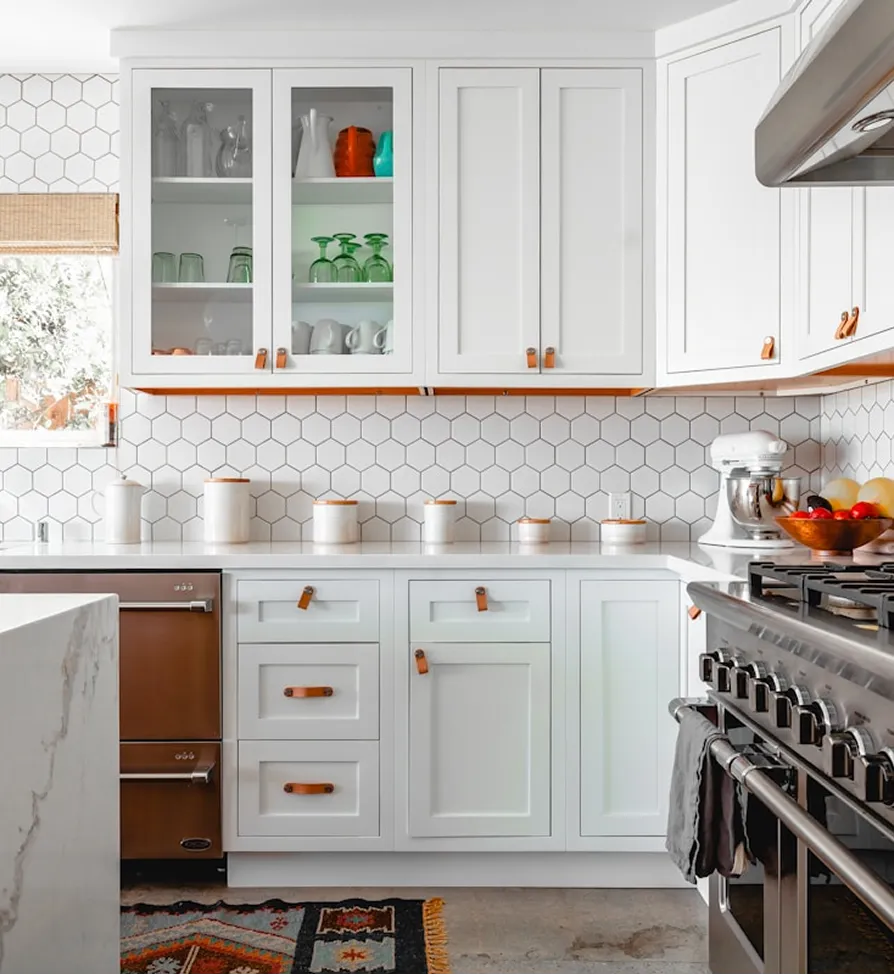
A quality approach to kitchen remodeling mosswood transforms the heart of your home and returns real value. The kitchen is the room buyers judge a home by and the space your household uses most, so getting your kitchen project right matters for both daily life and resale. This guide covers what this kitchen project involves in Florida, what it costs, how long it takes, and how to choose a licensed professional you can trust.
Whether you want a cosmetic refresh or a full layout change, these fundamentals put you in control.
The short version: for your kitchen project, the biggest cost drivers are the size of the space, whether you relocate plumbing and electrical, and the grade of cabinets and countertops. Hire licensed, insist on a written scope, and get an in-home quote rather than a phone estimate.
Refresh, Remodel, or Full Renovation
This kitchen project can range from a cosmetic refresh that keeps the layout and updates surfaces, to a full renovation that relocates plumbing and electrical and reconfigures the space. The bigger the change, the longer and costlier the project. Knowing which you want helps you hire the right contractor and get an accurate quote. Our kitchen remodeling service covers the full scope.
Why Florida's Climate Matters
Florida's humidity is a real factor in any kitchen project. Cheap particle-board cabinet boxes and poorly sealed finishes swell, warp, and fail early, so moisture-resistant cabinet construction pays off over the life of the kitchen. Quality countertops like quartz and granite stand up to a busy kitchen far better than laminate. A professional who knows the climate helps you choose materials that last.
Ready to start your project?
Get a free, no-pressure consultation and an honest written quote from a licensed Florida team.
What Kitchen Remodeling Mosswood Costs
The cost of this kitchen project depends on the size of the space, whether plumbing and electrical are relocated, and the grade of cabinets and countertops, usually the two largest line items. A cosmetic refresh is a fraction of a full renovation. Insist on an in-home assessment and an itemized written quote. Our kitchen remodel cost guide breaks down the drivers.
Choosing the Right Professional
Hire a licensed, insured contractor with verifiable Google reviews and a physical local address. Verify the Florida license through the DBPR, ask who pulls the permit (always the contractor), and request references. Our guide on kitchen remodeling contractors near you covers the vetting process, and our licensed contractor page shows what proper credentials look like.
How Long It Takes
A cosmetic project can take a couple of weeks, while a full remodel with relocated plumbing and electrical can run a couple of months. Custom cabinets and stone countertops have longer lead times, which a good contractor orders early so the schedule does not stall.
Serving Florida
We are a licensed, insured contractor serving homeowners across Florida, including Tampa, Clearwater, St. Petersburg, and the Tampa Bay area, plus Broward, Palm Beach, and Miami-Dade counties. You get free in-home assessments, honest itemized quotes, and warranty-backed work. See the areas we serve.
The Bottom Line
Kitchen Remodeling Mosswood transforms the heart of your home and returns real value when done well. Choose materials that handle the climate, hire a licensed professional, insist on a written scope, make sure they pull the permits, and get an in-home quote. A free consultation gives you your real number.
Getting It Right the First Time
Appliance garages and charging drawers hide the small electronics that otherwise colonize the counter. Keeping the work surfaces clear is one of the biggest contributors to a kitchen that feels calm instead of chaotic.
Electrical planning is invisible until it fails you. Modern kitchens run far more small appliances than older wiring anticipated, so dedicated circuits and generous, well-placed outlets prevent the tripped breakers and counter-crossing extension cords that plague under-wired kitchens.
Pay attention to the transition between your kitchen and the rooms around it. In an open floor plan, flooring, trim, and sightlines should flow so the kitchen feels like part of the home rather than a bolted-on box. A thoughtful contractor considers how the space reads from the living and dining areas, not just how it looks from inside.
A walk-in or well-organized pantry changes how a kitchen functions by moving bulk storage out of the prime cabinetry. Even a shallow pull-out pantry in a tight kitchen frees up the cabinets you reach for most to hold what you use most.
The work triangle between sink, range, and refrigerator remains the backbone of a functional kitchen, but modern layouts treat it as a starting point rather than a rule. In a kitchen with an island or a second cook, planning distinct zones for prep, cooking, and cleanup often serves daily life better than a rigid triangle.
Ventilation is not glamorous, but a range hood vented to the outside pulls heat, grease, and moisture out of the room instead of smearing them across your new cabinets. Recirculating hoods are a compromise worth avoiding when venting outside is at all possible.
Where the Value Is
Resale deserves a thought even if you plan to stay. Timeless bones, a sensible layout and durable neutral surfaces, appeal to the widest range of future buyers, while personality expressed through paint, hardware, and fixtures stays cheap to change.
Storage is where a remodel either succeeds or quietly disappoints. Deep drawers for pots, vertical dividers for trays, a dedicated spot for the small appliances you use daily, these details decide whether the finished kitchen feels effortless or cluttered. Spend design time here, because reworking cabinet interiors after installation is expensive and disruptive.
A contingency in the budget is not pessimism, it is planning. Older homes routinely hide outdated wiring, a slow leak behind a cabinet, or subfloor that needs attention, and a reserve turns those discoveries into manageable line items instead of crises.
Flooring in a kitchen has to survive dropped cans, spilled water, and standing for hours, so comfort and durability both matter. Porcelain tile and quality luxury vinyl handle the abuse and the humidity, while the hardest tile underfoot can tire you out on a long cooking day.
Think hard about where the trash and recycling live. A pull-out bin next to the prep zone saves hundreds of small trips a year, and tucking it out of sight keeps the room looking finished. It is a humble detail that homeowners rank surprisingly high after the fact.
Quartz has become the default countertop for busy kitchens because it is non-porous, needs no sealing, and shrugs off daily use. Granite rewards those who want natural variation and extreme heat resistance, while marble asks for care in exchange for its unmatched look.
Frequently Asked Questions
A professional stops, shows you the problem, explains the options, and prices the repair in writing before continuing. You should never discover a surprise charge on the final invoice.
Usually, yes, but it means new drain, vent, and supply lines run through the floor. On a slab foundation that adds cost, so weigh the convenience against the price before committing to it.
A refresh that keeps the layout can be done in two to four weeks. A full renovation with new plumbing and electrical usually runs six to ten weeks, and custom cabinets or stone tops can add lead time before work even starts.
Galley and L-shaped layouts make the most of tight footprints because they keep the sink, range, and refrigerator close together. Taking cabinets to the ceiling and using pull-out storage adds room without adding square footage.
Standard uppers sit about eighteen inches above the counter, but running them to the ceiling removes a dust shelf and adds storage for things you rarely use. Your contractor can adjust heights for taller or shorter households.
Ask who pulls the permit, who manages the job day to day, how change orders are priced, what the payment schedule is, how long the warranty lasts, and what happens if they find hidden damage.
Reputable contractors often book several weeks out, and custom materials add more lead time. Starting the design and quote process two to three months before you want work to begin keeps you from rushing decisions.
Cabinetry is typically the largest single line item, followed by countertops and labor. Moving the sink, range, or gas line adds real cost, which is why keeping the existing layout is one of the most effective ways to protect a budget.
Decide on every finish before demolition, keep plumbing where it is, choose durable mid-grade materials, and hold a contingency of ten to fifteen percent for surprises behind the walls. Most overruns come from late changes.
Large-format porcelain, glass tile, and solid quartz slabs have few grout lines and wipe clean quickly. Small mosaics look great but take more effort to keep the grout clean behind the range.
A well-done kitchen is one of the most reliable improvements for resale because buyers notice it first. Timeless finishes and a sensible layout tend to return more than highly personal or trend-driven choices.
Whenever possible, yes. A hood ducted outdoors removes heat, grease, and moisture instead of recirculating them, which protects your cabinets and keeps the room comfortable in a humid climate.