




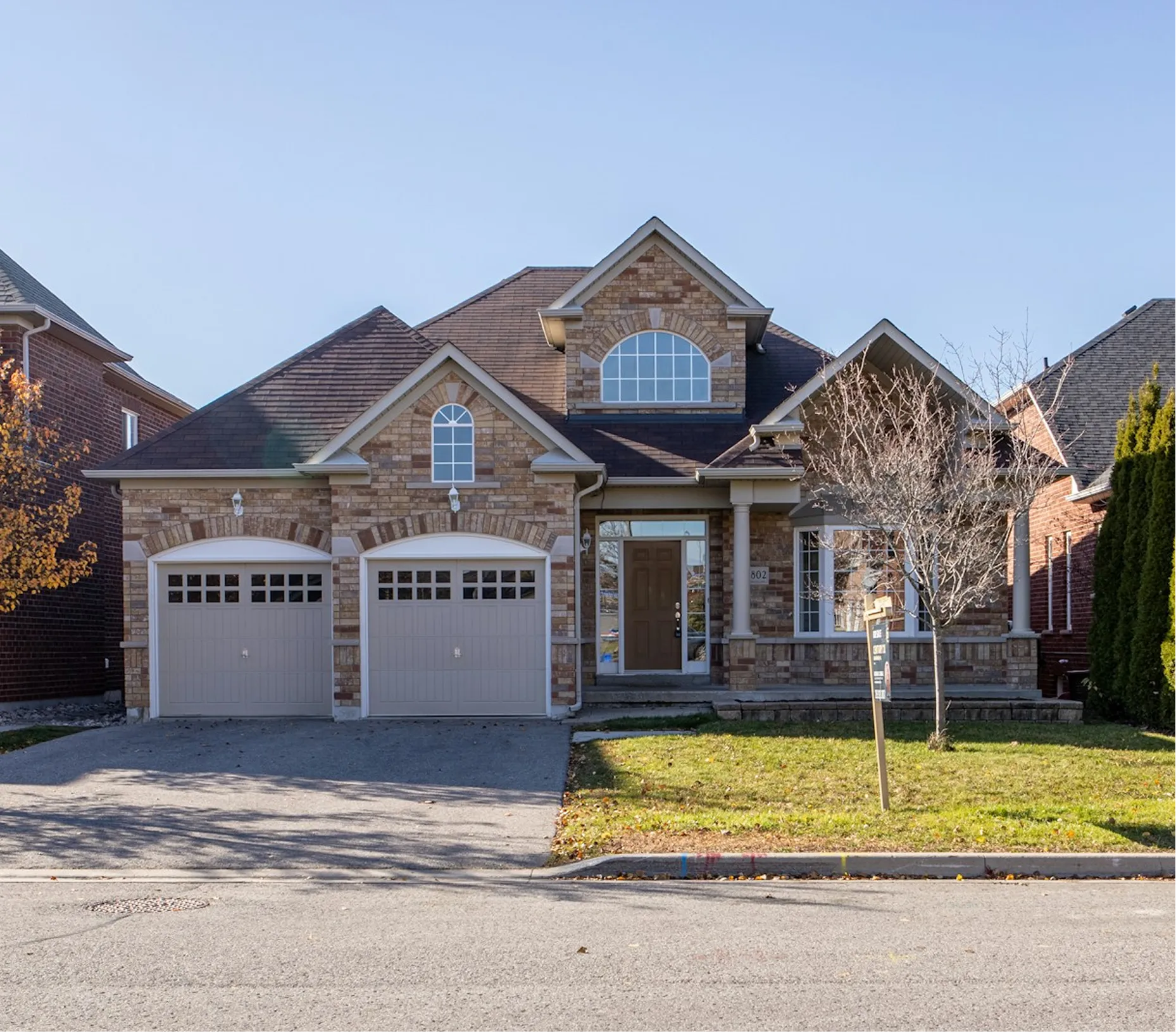
When you live where hurricanes are a yearly certainty, your roof isn't just about looks or budget, it's about survival. The roof is what stands between your family and a Category 4 storm, and the material you choose plays a real role in how your home holds up. For South Florida homeowners weighing a premium roof, the choice often comes down to two strong options: tile and metal.
Both are excellent in hurricanes, far better than basic shingle, and both can last for decades. But they protect your home in different ways and come with different trade-offs. Choosing between them isn't about which is better in the abstract, it's about which is better for your home, your budget, and your priorities.
In this guide we'll compare tile and metal roofing specifically through the lens of hurricane performance, then cover cost, lifespan, looks, and weight. By the end you'll understand which makes more sense for your situation. And whenever you want a professional opinion, a free inspection is the place to start.
The short version: Both tile and metal perform excellently in hurricanes when properly installed to Florida code. Metal is lighter, reflects heat, and standing-seam systems resist wind beautifully. Tile is heavier (which helps it stay put), lasts long, and gives the classic look. Installation quality matters as much as the material.
How Roofs Fail in Hurricanes
To understand which material protects best, it helps to know how roofs actually fail in a hurricane. It's rarely the material spontaneously giving out, it's usually about wind getting a grip and tearing pieces away, or water finding a way in.
Hurricane winds create tremendous uplift forces, essentially trying to peel the roof off the house. They find any loose edge, lifted piece, or weak fastener and exploit it. Once the roof covering is breached, wind-driven rain pours in, and if a window or door also fails, the internal pressure adds upward force that can lift the whole roof. Flying debris adds another threat, puncturing or cracking roofing on impact.
So a hurricane-resistant roof resists uplift, resists impact, and keeps water out even under extreme conditions with a sound secondary water barrier underneath. Both tile and metal deliver all three when installed correctly, which is why they're the premium hurricane choices. The differences are in how each achieves it and what else it brings.
Metal Roofing in Hurricanes
Metal roofing, particularly standing-seam systems, is outstanding in high winds, and it's become a favorite for hurricane-conscious South Florida homeowners.
The key strength of standing-seam metal is its design: the panels are large and continuous, and the fasteners are concealed and locked within the seams rather than exposed. This means there are no individual small pieces for wind to catch, and no exposed fasteners to work loose. The whole system locks together into a continuous, wind-resistant surface, carrying some of the highest wind ratings available.
Metal also resists impact well, denting rather than shattering, so flying debris is less likely to create a hole. And because metal is lightweight, it puts less stress on the home's structure. The main consideration is installation, the panels and fasteners must be installed correctly to achieve those high ratings. Done right, metal is one of the most hurricane-resilient roofs you can put on a home.
Tile Roofing in Hurricanes
Tile also performs very well in hurricanes when installed to current code, and it has been protecting South Florida homes through storms for generations. Its performance comes from a combination of weight, proper fastening, and the system beneath it.
Tile's weight, often seen as a drawback, actually helps in high winds, because heavy tiles are harder to lift than light materials. But weight alone isn't enough, modern code requires tiles to be properly fastened so they stay put under uplift. Combined with a sealed secondary water barrier beneath, a code-compliant tile roof is genuinely storm-worthy.
The vulnerability with tile is impact and individual tiles. Flying debris can crack tiles, and if tiles aren't properly fastened (as on older roofs), they can dislodge. This is why a tile roof installed to current code, with proper fastening and a good secondary water barrier, performs dramatically better than an old one. Our tile roofing page covers proper installation.
Choosing between tile and metal?
Get a free inspection and honest guidance on the best hurricane roof for your home and budget.
Tile vs Metal: Head to Head
Here's how the two compare across the factors that matter most for a South Florida home:
| Factor | Metal | Tile |
|---|---|---|
| Hurricane wind resistance | Excellent (standing-seam) | Excellent (code-installed) |
| Impact resistance | Dents, rarely punctures | Can crack from debris |
| Weight | Light | Heavy (needs strong structure) |
| Lifespan | 40-70 years | 40-50+ years |
| Energy efficiency | High (reflective) | Good (thermal mass) |
| Look | Modern to traditional | Classic, premium |
| Upfront cost | Mid-range | Highest |
Reading across, both win on hurricane performance, which is why they're the premium choices. Metal edges ahead on weight, energy efficiency, and impact resistance, while tile wins on the classic look and ties on longevity. Cost and aesthetics often become the deciding factors once you've established both protect your home well.
Beyond the Storm: Other Deciding Factors
Since both protect well in hurricanes, the decision usually comes down to the other factors.
Weight and structure
Tile is heavy, and your home's structure must support it. Many South Florida homes are built for tile, but not all, and switching from a light material to tile may require reinforcement. Metal's light weight works on virtually any structure. We check your structure during inspection.
Energy efficiency
Metal's reflective surface bounces solar heat away, lowering cooling costs noticeably. Tile also has decent thermal properties thanks to its mass. Both beat shingle, but reflective metal generally has the edge on cooling savings.
Looks and budget
Tile delivers the classic Mediterranean look that defines upscale South Florida homes, and nothing else quite matches it. Metal suits modern, coastal, and even some traditional homes. Metal typically costs less upfront than tile, so if budget is a constraint, metal is usually the more accessible premium option.
Which Should You Choose?
Lean toward metal if you want the lightest, most energy-efficient option, your structure isn't built for tile, you prefer a modern or coastal look, or you want strong hurricane performance at a somewhat lower upfront cost than tile.
Lean toward tile if you want the classic look nothing else replicates, your structure supports the weight, you're staying long-term and want maximum longevity with premium curb appeal, and your budget accommodates the higher cost. If you're torn, either would serve you well, so it comes down to looks and budget. For a broader comparison including shingle, see our guide on the best roofing material for South Florida.
Why Installation Decides Everything
With both tile and metal, the installation matters as much as the material for hurricane performance. A premium material installed poorly will fail in a storm, while a properly installed roof of either type protects your home.
For metal, this means correctly installed seams, proper fastening, and well-executed flashing. For tile, it means proper fastening of every tile to current code, plus a sound, sealed secondary water barrier underneath. Get these wrong and even the best material becomes vulnerable. This is why choosing a licensed, experienced contractor who installs to current code is just as important as choosing tile or metal.
The Bottom Line
Tile versus metal for hurricanes? Both are excellent choices that will protect your South Florida home far better than basic shingle, as long as they're properly installed to current code. Metal is lighter, more energy-efficient, and resists impact well. Tile brings the classic look and unmatched longevity, with its weight helping it resist uplift when properly fastened.
Since both protect your home well in storms, the decision usually comes down to your home's structure, your aesthetic preference, and your budget. Either way, you're choosing a roof built to weather what our climate throws at it.
The best next step is a professional opinion on your specific home. Reach out for a free inspection or call us at 561.423.4794, and we'll help you choose the right hurricane roof.
Why Homeowners Trust Assured Supreme for Roofing
Choosing who works on your roof is as important as any material or design decision, because the quality of the work determines whether your roof actually performs for its full life. Here's what sets a trustworthy contractor apart, and what to look for whoever you hire.
A roof should be installed by a licensed, insured contractor who builds to current South Florida code, including the High-Velocity Hurricane Zone requirements that make a roof genuinely storm-worthy. Licensing means accountability, insurance protects you, and proper code compliance is what stands between your home and the next hurricane. Always verify these before hiring anyone.
Just as important is honesty. The right contractor gives you a straight assessment, a fixed written quote, and clear communication, and recommends what your roof actually needs rather than the biggest possible job. That kind of integrity, backed by a local reputation and real workmanship, is what turns a roof from an expense into a lasting investment in your home's protection.
Planning Your Project the Smart Way
A little planning makes any roofing project go more smoothly and helps you avoid the surprises, delays, and pressure that catch unprepared homeowners off guard. The homeowners who end up happiest are almost always the ones who planned thoughtfully rather than rushing in, so it's worth approaching your project deliberately.
Start by getting a proper assessment and a clear, written, itemized quote rather than a vague verbal estimate, so you know exactly what you're dealing with and what it will cost. Understand the factors driving your specific situation, set a realistic budget with a cushion for the unexpected, and make sure permitting and code compliance are part of the plan, never skipped to hit a lower price, since cut corners cause far bigger costs later.
Then think in terms of long-term value rather than just the upfront number, and prioritize quality and a reputable, licensed contractor over the lowest bid. Your home is a long-term investment, and approaching any work on it thoughtfully, rather than as a rushed bargain hunt, is how you get a result that lasts and that you'll be glad you chose. A good contractor will help you plan well, not pressure you into decisions before you're ready.
Your Next Step in South Florida
If the questions and details in this guide have you thinking about your own home, the most useful thing you can do is turn that thinking into a clear, informed plan, and that starts with an honest professional assessment. There's no substitute for having an experienced, licensed contractor look at your specific situation and give you straight answers.
Every home is different, and general guidance only takes you so far. What looks like one thing from a distance can turn out to be another once a professional takes a proper look, and the right recommendation always depends on the specifics of your home, your goals, and your budget. That's exactly why we offer a free roof inspection with no obligation, so you can make decisions based on your real situation rather than guesswork.
We serve homeowners and businesses across South Florida, from Miami-Dade through Broward and Palm Beach County, with the honest guidance, quality workmanship, and accountability that come from being a licensed, established local contractor. Whether you're ready to move forward or just gathering information, we're happy to help you understand your options. Reach out for a free roof inspection or call us at 561.423.4794, and we'll give you the clear, honest answers you need to take the next step with confidence.
The Assured Supreme Difference
Choosing who to trust with your home is a personal decision, and we don't take it lightly when homeowners choose us. What we offer isn't complicated, it's the combination of things that should be standard but too often aren't: proper licensing and insurance, genuine local roots, honest assessments, fair fixed pricing, quality workmanship, and accountability that doesn't disappear once the job is done.
We believe an informed homeowner makes the best decisions, which is why our guides explain the real factors honestly rather than steering you toward the biggest possible sale. When we assess your home, we tell you what you actually need, even when that's less than you expected, because we're building long-term trust and a local reputation, not chasing a single transaction. That philosophy runs through everything we do, from the smallest repair to a full custom build.
South Florida's climate is demanding, its codes are strict, and its storms are real, which makes the quality and integrity of the work that protects your home matter more here than almost anywhere. Whether your project is large or small, urgent or something you're planning for down the road, our commitment is the same: do right by you and your home, with work that holds up and advice you can trust. That's the standard we hold ourselves to on every job, for every customer, across every corner of South Florida we serve.
Local Expertise That Makes a Difference
There's a real advantage to working with a contractor who knows South Florida specifically, not just the general trade, but the particular demands of building and protecting homes in our corner of the state. The conditions here are unlike almost anywhere else, and that local knowledge shows up in the quality and durability of the work.
Our climate is uniquely demanding: intense year-round sun and UV, heavy seasonal rain, high humidity, coastal salt air, and of course hurricane season. Each of these stresses homes in ways that a contractor unfamiliar with the region might overlook. Add to that some of the strictest building codes in the nation, the High-Velocity Hurricane Zone requirements, and you have an environment where doing things the right way, the local way, genuinely matters for how well your home holds up over the years.
A contractor who works here every day understands all of this as second nature, from the materials and methods that stand up to our conditions to the permitting and code requirements that vary across Miami-Dade, Broward, and Palm Beach County. That local fluency means fewer surprises, work that's built to last in our specific climate, and guidance grounded in real experience with homes like yours. It's one more reason that choosing an established local contractor, rather than an out-of-area operator, protects your investment and your peace of mind.
Serving Homeowners Across South Florida
Assured Supreme Contracting proudly serves homeowners and businesses throughout South Florida, across Miami-Dade, Broward, and Palm Beach County and the communities within them. From coastal homes facing salt air and storm exposure to inland properties dealing with our intense sun and heavy rain, we bring the same standard of quality, honesty, and accountability to every project, wherever you are in the region.
Being a local contractor means we understand the specific challenges of the area you live in, the building requirements that apply, the climate conditions your home faces, and the kind of work that holds up here for the long term. It also means we're part of the same community, with a reputation we intend to keep, which is exactly why we treat every customer's home the way we'd want our own treated. When you choose a local team that's invested in the area, you get a contractor who's still here, still accountable, long after the work is done.
Why Getting This Right Matters
It's easy to treat decisions about your home as just another item on a to-do list, but the work that protects and improves where you live carries real weight. A roof, a window, a remodel, these aren't disposable purchases; they're long-term investments in your comfort, your safety, and the value of your largest asset. Getting them right pays off for years, and getting them wrong can cost far more than the original job ever would have.
That's why we encourage every homeowner to slow down, get informed, and make decisions based on real information rather than pressure or guesswork. The few extra days it takes to get a proper assessment, compare your options honestly, and choose a contractor you trust are nothing compared to the years you'll live with the result. An informed, unhurried decision is almost always a better one, and it's the kind of decision we want every customer to feel good about long after the work is finished.
Questions? We're Happy to Help
If you have questions after reading this, that's a good sign, it means you're taking the decision seriously, which is exactly the right approach. There's no such thing as a silly question when it comes to your home, and a good contractor should be glad to answer them rather than rushing you toward a signature. We certainly are.
Whether you want a second opinion, a clearer explanation of your options, or simply an honest assessment of where things stand, we're here to help with no pressure and no obligation. The best decisions come from good information and a contractor you trust, and we'd be glad to provide both. Reach out whenever you're ready, by phone at 561.423.4794 or through our contact page, and we'll give you straight, helpful answers grounded in real experience with homes across South Florida.
A detailed written contract is the single best protection you have on any remodel. It should name the scope, the materials, the timeline, the payment schedule tied to milestones, and how changes are handled. A contractor who welcomes putting all of this in writing is showing you how they will treat you once the work begins.
A dedicated project manager or single point of contact keeps a multi-trade job coherent. When the electrician, the plumber, and the finish carpenter all answer to one coordinator, the schedule holds and the details do not fall through the cracks.
Think about how you will live through the project. Which rooms stay usable, how dust is contained, where materials are staged, these practical questions shape your daily life for weeks. A contractor who walks you through the logistics up front is one who has done this enough times to respect what it is like on your side.
Material selections made early and ordered promptly keep the calendar honest, because the longest delays on most remodels come from waiting on something that was decided late. A good contractor pushes you to lock choices before they become the bottleneck.
Change orders are a normal part of most projects, but how they are handled separates a smooth job from a contentious one. A clear written process for pricing and approving changes before work proceeds protects both sides.
Warranty terms in writing tell you how a contractor views the years after the check clears. A real workmanship warranty, clearly stated, is a promise that they expect to stand behind the work and be reachable when you need them.
The lowest bid is rarely the cheapest project. A quote that comes in far under the others usually means something has been left out of the scope or will reappear later as change orders. Comparing bids line by line, on scope rather than the bottom number, is how you find real value instead of a tempting trap.
Frequently Asked Questions
Both perform excellently in hurricanes when properly installed to Florida code, so neither is universally better. Metal, especially standing-seam, resists wind uplift beautifully and shrugs off impact, while tile's weight helps it stay put and it offers unmatched longevity. The right choice depends on your home's structure, preferred look, and budget.
Metal generally resists impact better, denting rather than shattering, so debris is less likely to create a hole. Tile can crack when struck. However, a code-installed tile roof with a sealed secondary water barrier still keeps water out even if a tile cracks, so both protect the home well overall.
Tile is heavy and requires a structure built to support it. Many South Florida homes are, but not all, and switching from a light material to tile may need reinforcement. Metal's light weight works on virtually any structure. We check your home's structure during inspection to confirm what it can support.
Both last a long time. Metal lasts roughly 40-70 years, and tile's individual tiles can last 40-50+ years or more, though tile's underlayment usually needs replacing before the tiles do. Both far outlast shingle, making them strong long-term values despite higher upfront costs.
Tile is typically the most expensive roofing material upfront, while metal is mid-range, costing more than shingle but generally less than tile. Over their long lifespans both are strong values. If upfront budget is a key constraint, metal is usually the more accessible of the two premium hurricane options.
Yes, enormously. With both tile and metal, correct installation to current code is what delivers the wind resistance the material is capable of. Poorly installed seams or fasteners, or improperly fastened tiles, will fail in a storm regardless of material quality. A licensed, experienced contractor is essential.