




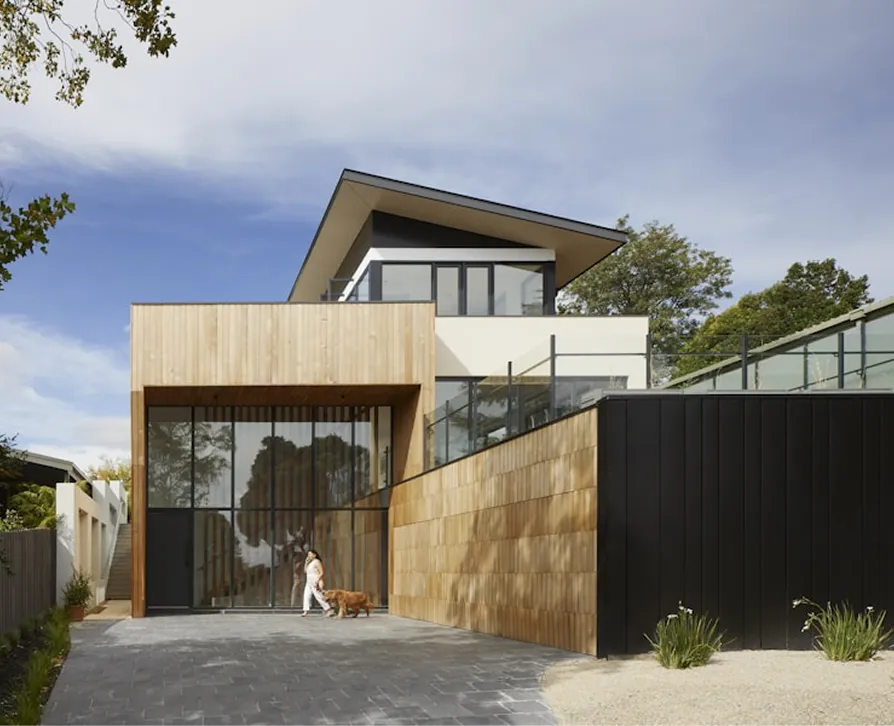
Choosing the right approach to top rated remodeling contractor Coral Gables is the single biggest factor in whether your project goes smoothly, stays on budget, and lasts. The best professional is licensed, insured, communicates clearly, and stands behind the work, not necessarily the one with the lowest bid. This guide explains what remodeling in Coral Gables involves in Florida, what to look for, what it costs, and the warning signs that should make you walk away.
Whether your project is large or small, these principles protect your investment.
The short version: for this project, hire a licensed, insured, communicative, and accountable professional. Verify credentials through the DBPR, insist on a written scope, make sure they pull the permits, and never choose on price alone.
Credentials That Matter
- A valid Florida contractor license you can verify through the DBPR
- General liability insurance and workers compensation
- A physical local business address and verifiable Google reviews
- A portfolio of completed projects with references
- A clear, written scope and contract
You can see what proper credentials look like on our licensed contractor page.
What Top Rated Remodeling Contractor Coral Gables Involves
The scope of your project depends on your goals, from a single-room update to a whole-home project. A clear, written scope is what keeps the work, the timeline, and the budget on track. A good professional walks you through the scope in detail, explains the process, and answers your questions directly before any work begins. Our home remodeling service covers the full range of what we handle.
Ready to start your project?
Get a free, no-pressure consultation and an honest written quote from a licensed Florida team.
What Remodeling Costs
The cost of remodeling in Coral Gables depends entirely on the scope, the size, the materials, and whether structural or system work is involved. The only reliable way to price it is a detailed assessment and an itemized written quote, compared on scope rather than the bottom-line number. A suspiciously low bid usually signals corners about to be cut.
How to Choose and Compare
Verify the Florida license through the DBPR, confirm insurance, read real Google reviews, and ask for references. Compare quotes on scope, not just price, and make sure the professional pulls the permits. Our guide on residential remodeling contractors and on why hire a licensed contractor cover the vetting process in depth.
Red Flags to Avoid
Be cautious of a contractor who pressures you to sign immediately, demands a large cash deposit, cannot show proof of license and insurance, resists a written scope, or offers to skip the permits. After a storm especially, be wary of door-to-door solicitation and high-pressure tactics.
Serving Florida
We are a licensed, insured contractor serving homeowners across Florida, including Tampa, Clearwater, St. Petersburg, and the Tampa Bay area, plus Broward, Palm Beach, and Miami-Dade counties. One accountable team, honest quotes, warranty-backed work. See the areas we serve.
The Bottom Line
Top Rated Remodeling Contractor Coral Gables comes down to credentials, communication, and accountability. Verify the license through the DBPR, insist on a written scope, make sure they pull the permits, compare on scope rather than price, and never respond to pressure. A free consultation is the place to start.
How to Hire Well
A detailed written contract is the single best protection you have on any remodel. It should name the scope, the materials, the timeline, the payment schedule tied to milestones, and how changes are handled. A contractor who welcomes putting all of this in writing is showing you how they will treat you once the work begins.
Protecting the parts of your home that are not being renovated is a sign of a crew that respects your space. Dust barriers, floor protection, and daily cleanup are not luxuries, they are the difference between a livable project and a miserable one.
How a contractor communicates during the sales process predicts how they will communicate during the work. Prompt replies, clear explanations, and direct answers before you have signed anything are the best available signal of what the project itself will feel like.
A walkthrough at the start and a punch list at the end bookend a professional job. Documenting the starting condition and then methodically closing out every small item at completion is how a project ends cleanly rather than trailing loose ends for months.
Warranty terms in writing tell you how a contractor views the years after the check clears. A real workmanship warranty, clearly stated, is a promise that they expect to stand behind the work and remain reachable when you need them.
What Protects You
A realistic timeline is a sign of an honest contractor. Material lead times, inspection schedules, and the simple reality of hidden conditions in an older home all affect the calendar. Someone who promises an implausibly fast finish is either inexperienced or telling you what you want to hear, and both cost you later.
Florida's climate shapes every remodel, from the materials that survive the humidity to the wind-load requirements that govern structural and window work. A contractor who builds to current code and chooses materials for the climate protects the investment in ways that are invisible until a storm tests them.
Licensing and insurance are not paperwork to wave away. A licensed contractor is accountable to a regulator, and liability and workers compensation coverage mean a job-site injury or a mistake is their problem to carry, not yours, which is exactly why verifying both before hiring matters.
Scope creep is the quiet budget killer. Deciding to add just one more thing repeatedly, each small on its own, adds up to a very different project than the one you priced, so a disciplined scope with a clear process for additions keeps the budget honest.
Think about how you will live through the project. Which rooms stay usable, how dust is contained, where materials are staged, these practical questions shape your daily life for weeks. A contractor who walks you through the logistics up front is one who has done this enough times to respect what it is like on your side.
Permits exist to protect you, not to slow you down. Permitted, inspected work means a neutral third party has confirmed the structural, electrical, and plumbing work meets code, which protects your insurance and your resale value, and a contractor who offers to skip the permit is transferring that risk to you.
Frequently Asked Questions
It depends entirely on scope, materials, and whether structural or system work is involved. Kitchens and bathrooms cost the most per square foot. A site visit and an itemized written quote are the only reliable way to price it.
Many reputable contractors offer at least one year on workmanship, and manufacturers cover materials separately. Get the warranty terms in writing before you sign.
We serve Coral Gables and surrounding communities, as well as the wider Tampa Bay area and South Florida.
Humidity and storms reward moisture-resistant materials, proper waterproofing, and code-compliant structural work. Cheap materials often fail early here, so durability usually saves money over time.
Yes. We visit the property, discuss your goals and budget, and provide an itemized written quote with no obligation.
Sometimes, but you take on the risk of wrong quantities, damage, and delays. Many contractors also do not warranty materials they did not supply.
Kitchens, bathrooms, and improvements that add usable space tend to return the most. Durable, timeless finishes generally outperform very personal choices at resale.
A licensed general contractor can legally manage permitted work, coordinate trades, and carry the right insurance. A handyman is suited to small repairs, not structural, electrical, or plumbing projects.
Usually, yes. One accountable team keeps the design consistent, coordinates trades efficiently, and avoids finger-pointing between companies when two pieces of work meet.
A written agreement to change the original scope, with the added cost and time spelled out. A good contractor gets your signature on every change order before doing the extra work.
Work that touches structure, plumbing, electrical, or the roof usually needs a permit. Paint, flooring, and trim often do not. Your contractor should pull the permit and arrange inspections.
Pressure to sign on the spot, no license or insurance proof, a cash-only deposit, refusal to put the scope in writing, an offer to skip permits, and door-to-door soliciting after a storm.