




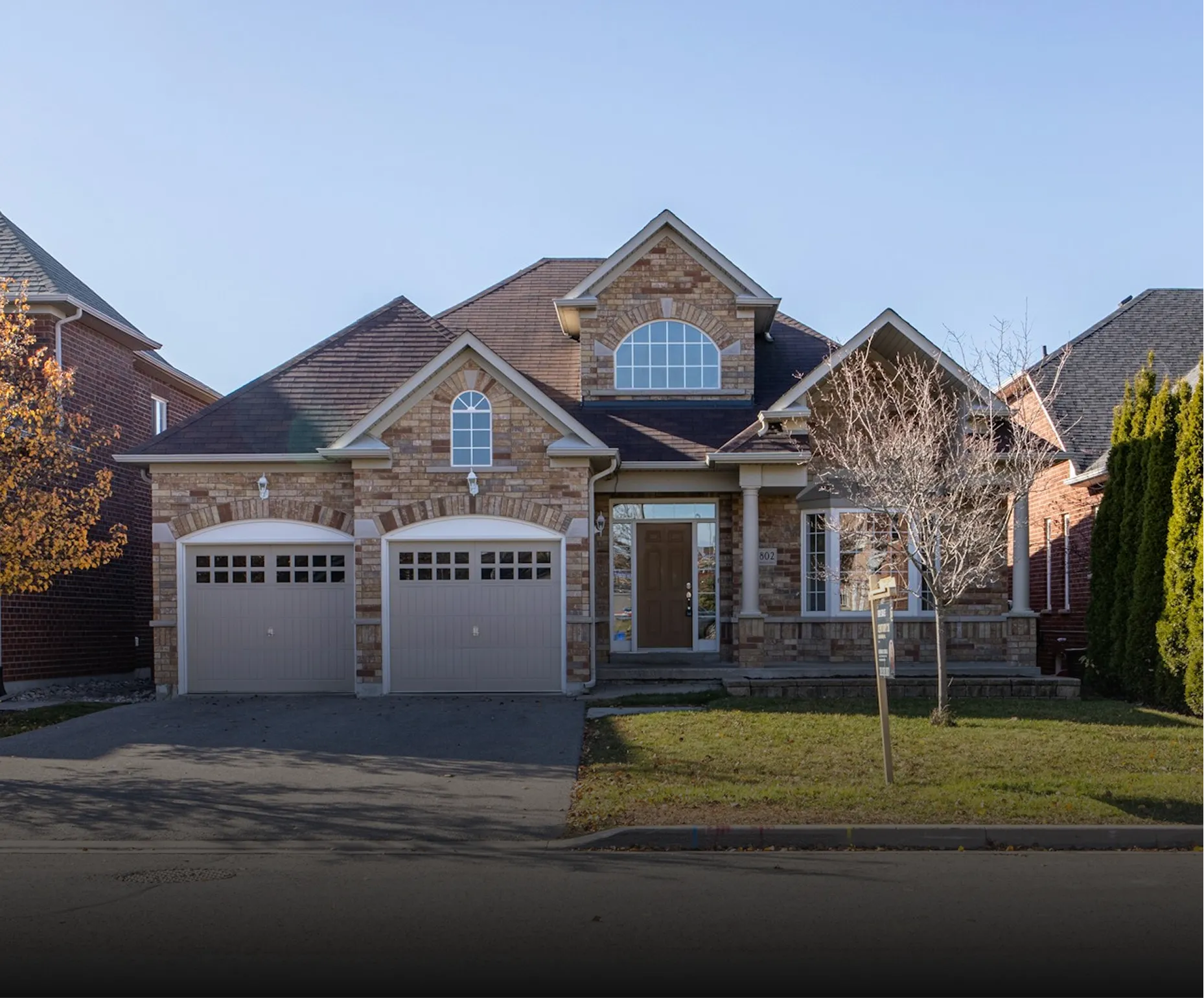
A whole home remodel is the largest and most transformative home improvement you can undertake, and the cost reflects that scope. Because the project touches every room and often the major systems, the price depends heavily on how much you change, the grade of materials, and whether structural or system work is involved. Understanding the drivers helps you budget realistically, decide whether to phase the work, and get an accurate quote. This guide breaks down whole home remodel cost honestly.
Whether you are in Tampa, Clearwater, or anywhere in Florida, the cost drivers are the same.
The short version: scope drives whole-home cost. Kitchens and bathrooms are the most expensive rooms, structural and system work adds significantly, and the only accurate price comes from a detailed assessment and an itemized written quote.
What Drives Whole Home Remodel Cost
- Kitchens and bathrooms. The most expensive rooms per square foot.
- Structural work. Moving walls or reconfiguring the layout adds significantly.
- Systems. Updating plumbing, electrical, or HVAC.
- Materials. The grade of finishes across every room compounds quickly.
- Labor. A coordinated, licensed crew across all trades.
- Permits and inspections. Required for a project this size.
Where the Money Goes
In a whole home remodel, the kitchen and bathrooms consume a disproportionate share of the budget because they involve the most trades, the most expensive materials, and, for bathrooms, critical waterproofing. Living spaces and bedrooms, by contrast, are mostly flooring, paint, lighting, and finishes, which cost less per square foot. Knowing this helps you direct the budget toward the rooms that matter most to you.
Our home remodeling service and whole-home renovation guide cover the process in depth.
Ready to start your project?
Get a free, no-pressure consultation and an honest written quote from a licensed Florida team.
Should You Phase the Work?
Phasing a whole home remodel, doing it in stages rather than all at once, can spread the cost over time and let you live in the home during parts of the work. The trade-off is that phasing usually costs more overall because of repeated mobilization and the inefficiency of stopping and restarting. A good contractor helps you weigh a single coordinated project against a phased plan based on your budget and how disruptive living through the work would be.
Getting an Accurate Quote
A whole home remodel is far too complex to price over the phone. An accurate quote requires a detailed assessment of every room, your goals, and the condition of the structure and systems. Insist on an itemized written quote broken down by room and scope, and compare bids on what is included rather than the bottom-line number.
Serving Tampa, Clearwater, and All of Florida
We are a licensed, insured remodeling contractor serving homeowners across Florida, including Tampa, Clearwater, St. Petersburg, and the Tampa Bay area, plus Broward, Palm Beach, and Miami-Dade counties. One accountable team for whole-home work, with honest quotes and warranty-backed results. See the areas we serve.
The Bottom Line
Whole home remodel cost comes down to scope, materials, and whether structural or system work is involved, with kitchens and bathrooms consuming the most. Decide whether to phase the work, insist on an itemized written quote, and compare on scope rather than price. A free consultation is the place to start.
One thing worth planning early in any home remodel is how you will live in the house during the work. A good contractor sequences the project to keep as much of your home functional as possible, completing one area before disrupting the next, and sets clear expectations about dust control, work hours, and access. Discussing this during the consultation prevents the frustration that comes when a renovation takes over the entire house at once with no plan for daily life.
A realistic budget contingency is one of the smartest things a homeowner can bring to a remodel. Older homes in particular hide surprises behind their walls, outdated wiring, hidden water damage, or structural quirks, that only reveal themselves once work begins. Setting aside a contingency means these discoveries become manageable adjustments rather than project-stopping crises, and a trustworthy contractor flags them honestly and explains your options rather than burying them in vague change orders.
Communication is the quiet factor that separates a smooth remodel from a stressful one. Before work begins, agree on who your point of contact is, how often you will get updates, and how changes will be documented and approved. A professional contractor welcomes this structure because it protects both sides, while one who resists clear communication is often the one who later springs surprises. Clear expectations upfront are worth more than any single design decision.
Energy efficiency is worth building into a Florida home remodel wherever it fits the budget. Better insulation, efficient windows, LED lighting, and modern HVAC and water heating all pay back over time through lower utility bills, which matter in a climate that runs the air conditioning most of the year. A contractor who thinks beyond the surface finishes can point out the efficiency upgrades that make the most sense to fold into the work you are already doing.
The value a remodel returns depends heavily on doing timeless, quality work rather than chasing the most expensive or most fashionable finishes. Kitchens and bathrooms return the most, followed by additions that add functional square footage and outdoor living spaces that extend a Florida home's usable area. Durable work that still looks good in ten years is what buyers reward, and what you will enjoy living with in the meantime.
Deciding your scope before work begins keeps a home project on budget and on schedule. Mid-project changes are where costs spiral and timelines slip, because each change ripples through ordering, scheduling, and labor. A good contractor helps you finalize decisions early, documents them in the written scope, and handles any adjustments through clear, approved change orders rather than vague verbal agreements.
Verifying licensing and insurance protects you on any home project. A licensed, insured contractor means permitted, code-compliant work and genuine recourse if something goes wrong. Ask for the license number, verify it through Florida's DBPR, and request proof of insurance before work begins. A professional provides all of this without hesitation, while an unlicensed operator leaves you exposed.
Frequently Asked Questions
It depends heavily on scope, the grade of materials, and whether structural or system work is involved. Kitchens and bathrooms consume the most per square foot. The only accurate price comes from a detailed assessment and an itemized written quote broken down by room.
Kitchens and bathrooms, because they involve the most trades, the most expensive materials, and, for bathrooms, critical waterproofing. Living spaces and bedrooms cost less per square foot since they are mostly flooring, paint, lighting, and finishes.
Phasing spreads cost over time and lets you live in the home during parts of the work, but it usually costs more overall because of repeated mobilization. A good contractor helps you weigh a single coordinated project against a phased plan.
Because the project is far too complex, touching every room and often the major systems. An accurate quote requires a detailed assessment of every room, your goals, and the condition of the structure and systems.
Scope and the grade of materials across every room, plus any structural work like moving walls and any updates to plumbing, electrical, or HVAC. Permits, inspections, and coordinated licensed labor are also significant for a project this size.
Yes. A whole home remodel involves structural, electrical, and plumbing work that should be performed by or under a licensed Florida contractor. Verify the license through the DBPR, because unlicensed work can void your insurance.
It depends on scope, but a whole home remodel typically runs several months, driven by the number of trades, permitting, inspections, and material lead times. A good contractor provides a realistic phased timeline before work begins.
Define your priorities room by room, get a detailed assessment, and let an itemized written quote shape a realistic budget. Direct more of the budget toward the rooms that matter most to you, usually the kitchen and primary bathroom.
Compare on scope, not just the bottom-line number. Insist on itemized quotes broken down by room so you can see what each contractor includes. A bid dramatically lower than the others usually means something is left out.
Sometimes, especially with a phased plan, though it depends on the scope and which systems are affected. A single coordinated project is faster and often cheaper but more disruptive. Discuss the trade-offs with your contractor.
Yes. We provide a free, no-pressure consultation where we assess every room, discuss your goals and budget, and provide an honest itemized written quote with no obligation.
Yes. We serve homeowners across Florida, including Tampa, Clearwater, St. Petersburg, and the Tampa Bay area, plus Broward, Palm Beach, and Miami-Dade counties, with the same licensed, warranty-backed service.